
Gynura angulosa
Gynura angulosa
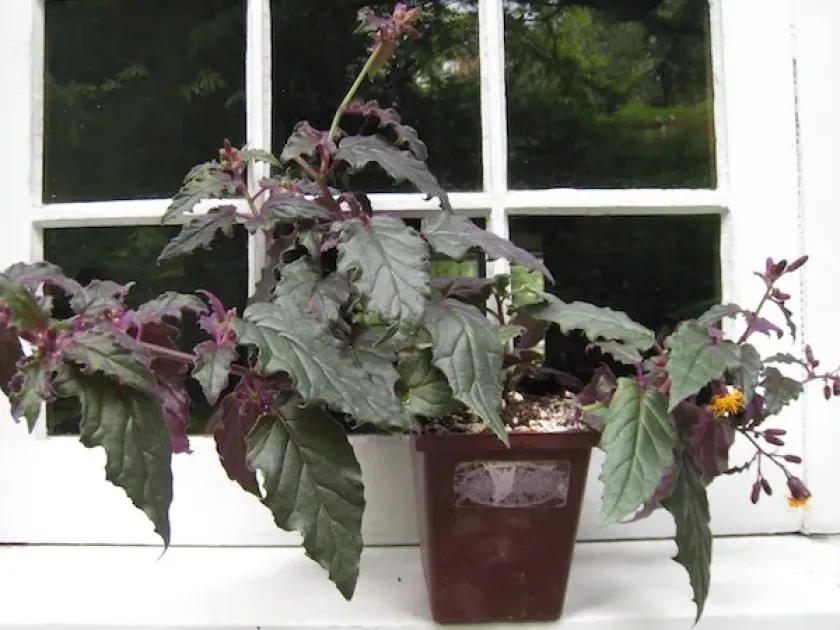
Description
Growing requirements
Gynura angulosa is a perennial herb belonging to the Asteraceae family. Originating from the tropical landscapes of Southeast Asia, this plant has gained attention as an interesting agricultural and medicinal botanical species.
The plant thrives in a tropical climate where high humidity and consistent temperatures between +22°C and +28°C are maintained throughout the year. It does not tolerate frost and is sensitive to sudden drops in temperature.
For optimal growth, Gynura angulosa requires a nutrient-rich, well-draining substrate. A mix of organic compost, peat, and perlite is often recommended to maintain soil structure and prevent waterlogging.
Regarding light requirements, the plant prefers bright, filtered sunlight. Direct exposure to intense midday sun can cause dehydration and scorching of the foliage, so shading is essential in greenhouse environments.
Agricultural management involves regular irrigation and a consistent supply of liquid fertilizers during the active growing season. Adequate spacing between plants is required to ensure proper air circulation and prevent fungal growth.
Main diseases and pests
The primary pests affecting Gynura angulosa include aphids, spider mites, and whiteflies, especially when kept in indoor environments with limited natural ventilation.
Fungal diseases like root rot and leaf spots are common issues usually caused by overwatering or poor drainage systems. Maintaining dry foliage surfaces is crucial for health.
Integrated Pest Management (IPM) techniques are recommended for this crop. Using biological control agents like predatory mites can help manage populations without the use of harsh chemicals.
Sanitation practices are vital. Regularly removing fallen leaves and pruning dead parts of the plant significantly reduces the risk of pathogens establishing within the greenhouse.
Monitoring the soil moisture levels is the most effective preventative measure against the most destructive root-related diseases that threaten the plant population.
Harvesting
Gynura angulosa is primarily cultivated for its edible leaves, which are appreciated in various regional cuisines for their distinct flavor and high antioxidant content.
The harvesting process involves manual clipping of tender apical shoots. This practice not only provides the harvest but also encourages the plant to develop a bushier, denser form.
Harvesting should be performed in the early morning when the cellular turgor is at its peak, ensuring that the harvested leaves retain their crispness for a longer duration after harvest.
Post-harvest handling is critical for shelf life. Leaves should be stored in refrigerated conditions or humid environments to preserve their fresh texture and nutritional profile.
Frequent, moderate harvesting acts as a pruning method that maintains the vigor of the plant, preventing it from becoming leggy and ensuring continuous production cycles.