
Gynura bicolor
Gynura bicolor
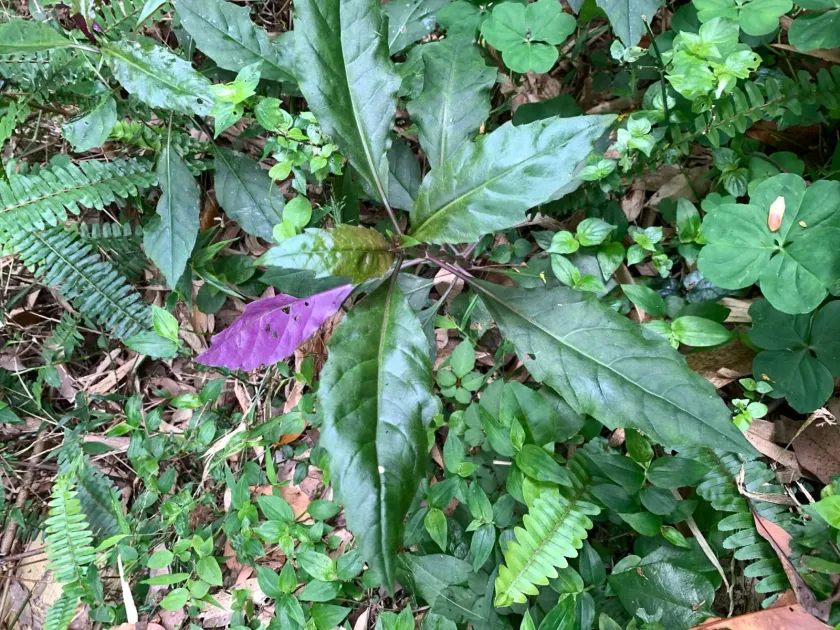
Description
Sowing dates
Gynura bicolor, commonly known as Okinawan spinach, is a perennial vegetable belonging to the Asteraceae family, native to Southeast Asia and widely cultivated in tropical and subtropical regions.
The standard agricultural practice for propagating this crop involves stem cuttings, as it is a highly efficient method ensuring uniform growth and quick establishment of new plants.
Cuttings should be planted in well-prepared soil once the threat of frost has passed, as this species is strictly heat-loving and thrives in consistent, warm temperatures.
For optimal space utilization, plants should be spaced at intervals of 30 to 40 centimeters to ensure adequate airflow and sunlight penetration, which is vital for high-quality foliage.
In temperate zones, Gynura bicolor can be grown as an annual crop or kept in containers to be overwintered indoors, protected from the cold.
Growing requirements
This crop prefers sunny to partially shaded locations, requiring rich, well-draining soil with an optimal pH ranging from slightly acidic to neutral for best results.
Water management is critical, as Gynura bicolor requires consistent moisture to produce succulent leaves, but it must be protected from waterlogged conditions that lead to root rot.
The ideal temperature range for rapid growth is between 18 and 25 degrees Celsius, as the plant will experience stress and stop growing if temperatures drop below 10 degrees.
Regular fertilization with compost or organic liquid feeds during the active growing season is highly beneficial for maintaining leaf color and overall plant vigor.
Mulching the base of the plant helps maintain soil humidity, prevents the spread of soil-borne pathogens during heavy rain, and keeps the roots cool during the heat of summer.
Main diseases and pests
Common pests include aphids and whiteflies, which tend to congregate on the underside of leaves; scouting the plants regularly is essential to prevent significant infestations.
Fungal issues, such as powdery mildew, may occur if the plants are placed in areas with poor ventilation or if the canopy becomes too dense during humid weather.
Root rot is the most common disease associated with overwatering or poorly drained soil, which can be mitigated by ensuring proper irrigation practices and soil aeration.
Integrated Pest Management (IPM) strategies, including the use of neem oil or biological controls, are recommended to protect the crop without compromising food safety.
Pruning out old or yellowed leaves helps improve airflow within the plant structure, significantly reducing the risk of bacterial and fungal infections throughout the growing cycle.
Harvesting
Harvesting usually begins 6 to 8 weeks after planting, once the plant has developed a strong root system and a sufficient number of healthy, mature leaves.
The best technique involves harvesting the apical tips and young leaves, a process that encourages the plant to branch out and produce a continuous supply of edible greens.
The leaves of Gynura bicolor are highly valued for their nutritional profile and can be consumed fresh in salads or lightly cooked in various culinary preparations.
Post-harvest handling is important; since the leaves are tender, they should be kept in a cool, humid environment to prevent wilting and maintain shelf life.
Consistent harvesting serves as a form of maintenance pruning, keeping the Gynura bicolor patch vigorous, productive, and aesthetically pleasing throughout the season.