
Climbing Gynura
Gynura scandens
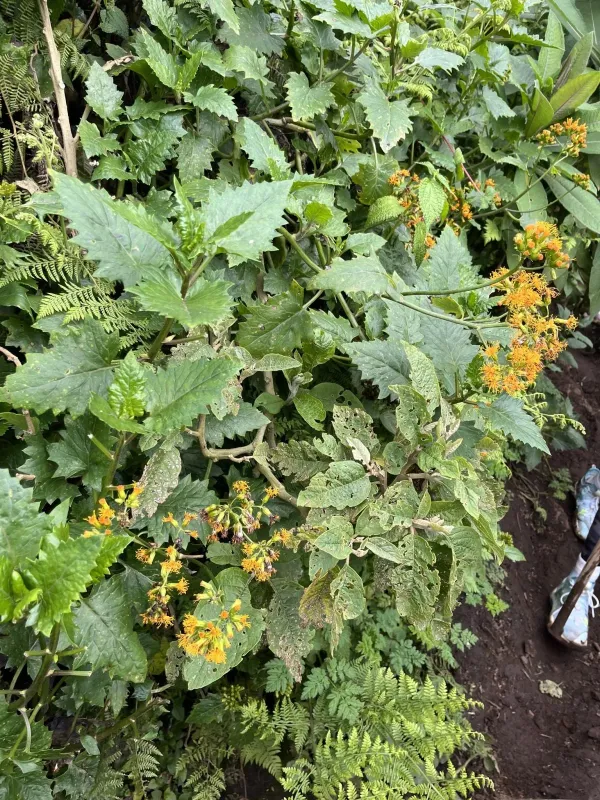
Description
Growing requirements
Climbing Gynura (Gynura scandens) is a perennial agricultural and ornamental crop belonging to the Asteraceae family. It is recognized for its vining growth habit, making it an excellent candidate for vertical cultivation systems.
The species originates from the tropical regions of Africa, where it thrives in humid environments. Its biological structure includes succulent-like stems and pubescent leaves that play a significant role in its transpiration efficiency.
Environmental requirements include a stable temperature range of 18°C to 24°C. The crop is sensitive to rapid temperature fluctuations, which can trigger physiological stress and reduce the rate of biomass production.
Soil management requires a high-quality, well-draining medium. The ideal substrate should consist of organic matter, peat, and mineral aggregates, ensuring an optimal pH level between 6.0 and 7.0 for nutrient uptake.
Watering practices must be precise to maintain soil moisture without inducing root hypoxia. Integrated nutrient management, incorporating balanced NPK fertilizers during the active growing season, is essential for maximizing yield.
Main diseases and pests
The primary pests affecting this crop include spider mites, mealybugs, and whiteflies. Proper sanitation and monitoring are critical to preventing fungal infections such as root rot and leaf spot diseases.