
Gynura pinnatifida
Gynura pinnatifida
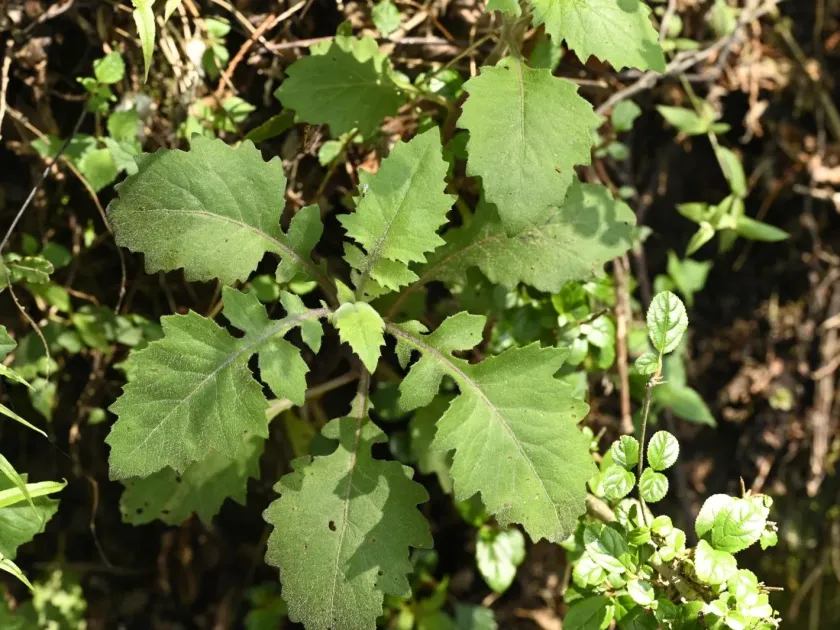
Description
Sowing dates
Gynura pinnatifida is a notable member of the Asteraceae family, primarily cultivated for its medicinal properties. Propagation is typically achieved via seeds or stem cuttings, which are planted in a well-drained, sterile substrate to prevent early-stage damping-off.
For optimal germination, seeds require high humidity and consistent temperatures around 22–24 degrees Celsius. Surface sowing is recommended as light exposure is necessary to break dormancy and initiate the development of the primary root system.
Growing requirements
The plant originates from tropical regions, requiring a consistent, warm climate to thrive. It performs best in bright, indirect sunlight, as intense direct rays can scorch the delicate foliage and inhibit biomass accumulation.
Soil requirements focus on high organic matter content combined with excellent aeration. The use of perlite or sand in the potting mix is advised to improve drainage, as the root structure of this species is highly susceptible to hypoxia if waterlogged.
Nutrient management involves regular applications of balanced, water-soluble fertilizers. During the peak growing season, higher nitrogen concentrations promote lush leaf development, ensuring the plant remains productive for repeated harvesting cycles.
Yield
The economic value of Gynura pinnatifida lies in its leaf biomass, which is rich in phytochemicals. Yield is measured by the total weight of harvested foliage, which can be maximized through a high-density planting strategy in controlled environment agriculture.
Through systematic pruning and pinching of the apical meristems, growers can encourage lateral branching. This technique significantly increases the surface area for leaf production, allowing for continuous harvesting throughout the active growing season.
Main diseases and pests
In intensive cultivation, pests such as aphids, spider mites, and whiteflies represent the most significant threat. These insects thrive in warm, stagnant environments, necessitating an Integrated Pest Management (IPM) approach to maintain crop health.
Fungal pathogens, particularly those causing root rot, are often linked to improper irrigation practices. Maintaining a clean growing environment and ensuring adequate airflow between plants are the most effective preventative measures against disease outbreaks.
Harvesting
Harvesting is performed by manually trimming the mature stems, leaving enough vegetative tissue for the plant to regenerate. This perennial cycle allows the crop to remain productive for several seasons under optimal greenhouse conditions.
Post-harvest handling is critical to preserve the integrity of the plant's active compounds. Immediate transfer to a controlled, low-humidity drying facility or cold storage is essential to prevent degradation of the bioactive elements before they reach the processing stage.