
Gynura pseudo-china
Gynura pseudo-china
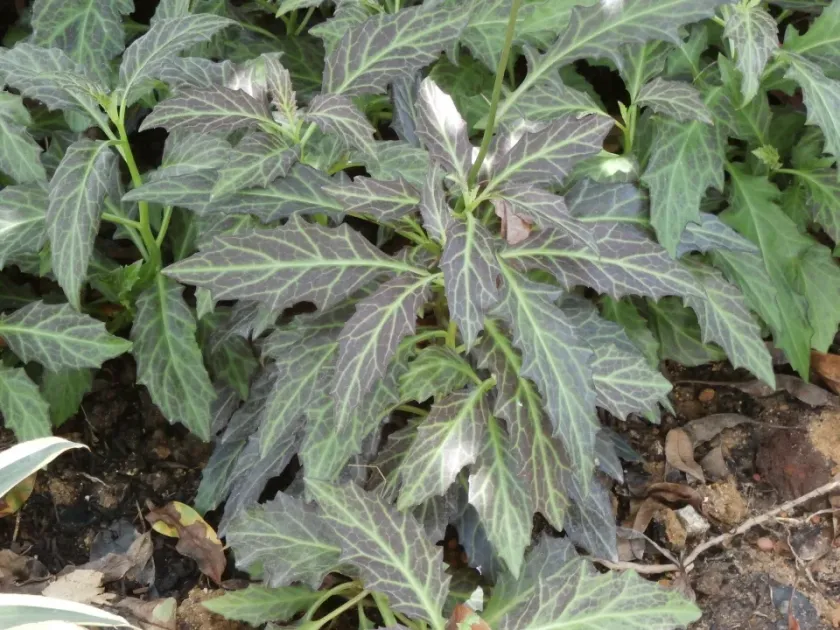
Description
Sowing dates
The propagation of Gynura pseudo-china is primarily achieved through vegetative methods, specifically stem cuttings. The spring and summer months provide the most favorable environment for successful rooting due to the plant's natural peak growth phase.
Cuttings should be approximately 10-15 centimeters long. They root rapidly in both water and lightweight, porous potting media. Maintaining high humidity and a consistent temperature between 20-25 degrees Celsius is essential for optimal root development.
While seed propagation is possible, it is less common in commercial settings due to the variability in offspring traits. For seed sowing, a February or March start in controlled indoor containers is recommended.
Seeds should be sown on the surface of moistened, sterile substrate and covered with a transparent film to create a mini-greenhouse effect. Germination typically occurs within two to three weeks when provided with bright, indirect light.
Once seedlings develop two pairs of true leaves, they should be transplanted into individual pots. Proper spacing at this stage is vital to ensure robust stem development and to prevent the seedlings from becoming leggy.
Growing requirements
Gynura pseudo-china, a member of the Asteraceae family, originates from the tropical regions of Southeast Asia. It thrives in bright, diffused light, as direct, intense sunlight can cause significant tissue damage and leaf scorching.
The soil requirements focus on fertility and drainage. A loose, well-aerated potting mix with a slightly acidic or neutral pH is ideal. Ensuring efficient drainage is critical to prevent waterlogged conditions which are detrimental to the roots.
Temperature management is key to maintaining year-round vigor. The plant performs best in a range of 20–28 degrees Celsius during the growing season and should not be exposed to temperatures dropping below 15 degrees Celsius in winter.
Watering practices should be consistent, ensuring the soil remains moist but never saturated. During the dormant winter months, water requirements decrease, so the frequency of irrigation should be adjusted accordingly to prevent rot.
Humidity is a significant factor for success. While the plant can tolerate average indoor humidity, maintaining levels around 60-70% in greenhouse environments significantly accelerates growth rates and enhances leaf health.
Yield
The economic value of Gynura pseudo-china lies in its use for pharmaceutical and cosmetic applications. Yields are maximized by implementing regular pruning and pinching of the apical shoots to encourage dense, bushy growth.
Under intensive greenhouse management, the crop can provide multiple harvests throughout the year. Regular nitrogen-based fertilization is required to support the rapid biomass production expected in commercial cultivation.
The aesthetic and medicinal quality is marked by the unique purple pubescence on the leaves. Deviations in color or texture often indicate suboptimal light or nutrient deficiencies, which must be addressed to ensure premium product quality.
In well-managed operations, an adult plant can yield up to 800 grams of raw leaf material annually. Constant attention to shoot development ensures that the plant remains in a productive state throughout its lifecycle.
Strategic harvesting cycles ensure that plants are given enough time to recover. Following harvest, providing a nutrient boost helps the plant initiate a new flush of growth, sustaining the yield cycle for several years.
Main diseases and pests
Common pests include spider mites and mealybugs, which tend to proliferate in low-humidity environments. Routine monitoring of the undersides of the leaves is the best defense to prevent small infestations from becoming unmanageable.
Root rot remains the most serious threat, usually caused by overwatering or poor drainage systems. This disease can decimate a crop quickly, making proper irrigation scheduling and substrate selection the most important preventative measures.
Aphids may infest younger, tender shoots, causing deformation and reducing the overall quality of the leaves. Biological control methods or soft insecticidal soaps are preferred to maintain the plant's medicinal integrity.
Powdery mildew can occur if air circulation is insufficient within the growing facility. Regular ventilation and, if necessary, the application of copper-based fungicides can control and prevent the spread of fungal spores.
- Spider mites (use of acaricides)
- Mealybugs (mechanical removal or systemic insecticides)
- Root rot (irrigation management and fungicides)
- Aphids (soap solutions or biological control)
Harvesting
Harvesting is performed by carefully trimming healthy side shoots using disinfected shears. Leaving a small portion of the stem with nodes ensures that the plant can effectively regenerate for future harvests.
Post-harvest processing involves immediate drying in a shaded, well-ventilated area. Keeping the leaves away from direct sunlight is crucial to preserve the delicate active compounds responsible for the plant's medicinal value.
The best time to harvest is in the early morning after dew has evaporated but before the heat of the day. This timing ensures that the leaf tissues have optimal moisture content for efficient processing.
Once dried, the product should be stored in airtight containers in a cool, dark place to maintain potency for up to a year. Proper storage prevents degradation caused by moisture and atmospheric exposure.
Continual regeneration depends on post-harvest nutrition. Fertilizing after each major harvest cycle supports the plant's ability to produce new foliage, effectively extending the economic lifespan of the crop.