
Gynura japonica
Gynura japonica
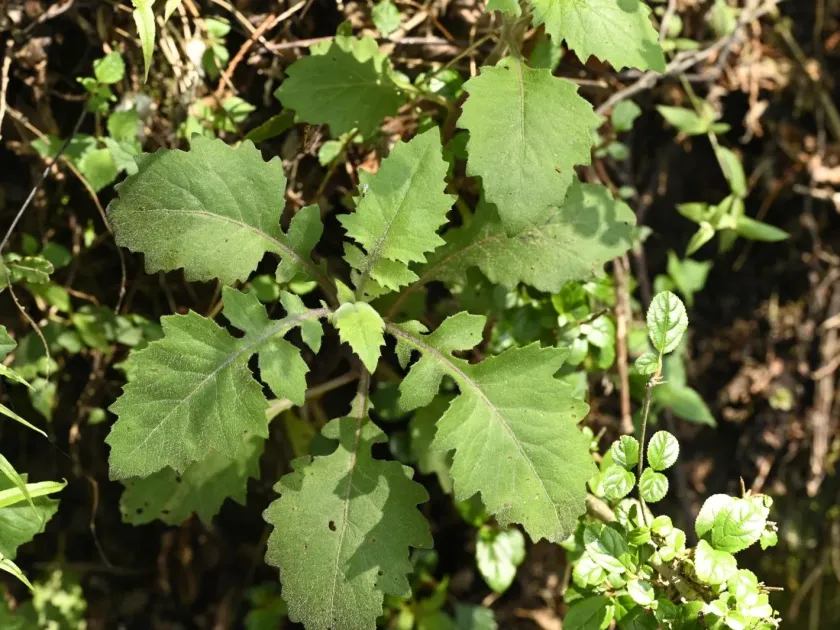
Description
Sowing dates
Sowing seeds of Gynura japonica is best done in early spring as daylight hours begin to increase. March is considered the ideal time, providing enough growth period for seedlings to establish themselves before the peak summer season.
For successful germination, use a loose, well-draining soil mix rich in organic matter. Sow seeds shallowly, covering them lightly with soil, and maintain constant humidity by covering the container with plastic or glass.
Germination typically occurs within two weeks under stable temperatures around 22–24 degrees Celsius. Once the first true leaves appear, provide bright, indirect light to prevent the seedlings from stretching.
Prick out the seedlings into individual pots once they develop two sets of true leaves. This promotes a stronger root system and provides each plant with sufficient space and nutrients to thrive.
Vegetative propagation via cuttings is a highly effective and faster method for mass cultivation. Cuttings root quickly in water or moist perlite, allowing for uniform plant development throughout the production cycle.
Growing requirements
Gynura japonica is a perennial herb belonging to the Asteraceae family. It is known for its medicinal properties and is valued for its unique, nutritious leaves in various culinary traditions.
The plant requires well-draining soil as it is sensitive to waterlogging, which can cause root rot. A neutral to slightly acidic pH is ideal for maximizing nutrient uptake and plant vigor.
The optimal temperature range for Gynura japonica is between 20 and 25 degrees Celsius. It is sensitive to cold drafts and sudden temperature fluctuations, which may hinder its growth and overall vitality.
Bright, filtered light is essential for healthy foliage development. While the plant benefits from sunlight, direct midday rays can burn the leaves, so providing light shade or placing it behind a sheer curtain is recommended.
Maintain consistent soil moisture without allowing the roots to sit in stagnant water. Regular watering based on the drying state of the topsoil layer ensures the plant stays healthy and productive throughout its lifecycle.
Yield
Yield in Gynura japonica is determined by the total mass of leaves and fresh shoots harvested. Regular pruning encourages bushiness and stimulates new growth, significantly increasing total production over time.
Multiple harvests can be achieved during a single growing season. With proper fertilization and optimal growing conditions, the plants recover quickly after each harvest, allowing for high output.
Quality is paramount; the leaves should be harvested when they are fully developed but still tender. Harvesting during the peak of the growing season ensures the highest concentration of beneficial compounds.
Freshly harvested material does not have a long shelf life and should be processed or consumed quickly. If short-term storage is necessary, keep the leaves in a cool, humid environment to maintain freshness.
Greenhouse cultivation allows for year-round production, making it a viable crop for small farms. Focus on optimizing soil fertility to sustain high-yield cycles throughout the entire year.
Main diseases and pests
Spider mites and aphids are the most common pests affecting Gynura japonica. They thrive in dry conditions and can quickly colonize the undersides of leaves, causing significant damage to the foliage.
Mealybugs can also infest the plant, usually clustering in leaf axils. Regular monitoring and physical removal of early clusters are essential to prevent a full-scale infestation within the crop.
Grey mold is a significant fungal threat, often occurring in poorly ventilated or excessively humid conditions. It causes wilting and decay, which can rapidly spread to healthy parts of the plant if not managed.
Preventive care involves maintaining proper air circulation and avoiding overhead watering. Keeping the foliage dry helps reduce the risk of fungal infections and keeps the plants robust and resistant.
In case of pest outbreaks, utilize organic-based insecticidal soaps or biological controls. Avoid heavy synthetic chemicals, especially since the leaves are intended for medicinal or culinary consumption.
Harvesting
Harvesting is performed by selective pruning of the most vigorous stems. This harvesting style not only yields fresh produce but also shapes the plant, maintaining a compact and productive growth habit.
The best time for harvesting is during the early morning hours. During this time, the plant is fully hydrated, and the leaves maintain their maximum crispness and nutritional profile for processing.
Dry the harvested leaves in a well-ventilated, shaded area. Avoid direct sunlight during the drying process, as UV light can degrade the essential oils and pigments that give the plant its characteristic quality.
Store dried material in airtight containers away from moisture and light. Properly stored Gynura retains its medicinal value for a considerable period, making it easy to manage as a market-ready product.
Consistent harvesting is part of the overall management strategy. By removing the older stems, you encourage the plant to channel energy into fresh growth, ensuring a steady supply of high-quality material.