
Gynura elliptica
Gynura elliptica
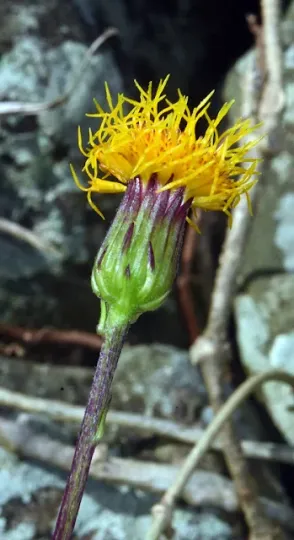
Description
Growing requirements
Gynura elliptica is a perennial herb belonging to the Asteraceae family. It originates from the tropical rainforests of Southeast Asia, where it thrives under the canopy in warm and humid conditions.
Successful cultivation requires a climate that mimics its tropical home, maintaining temperatures between 20°C and 25°C throughout the growing season. The plant demands a well-draining, nutrient-rich soil mix to prevent root-related issues.
Light management is crucial; while the plant requires significant exposure to thrive, direct harsh sunlight must be avoided to prevent foliar damage. Bright, filtered light is the optimal environment for active development.
Agricultural practices involve regular, moderate watering, ensuring the substrate dries out slightly between applications. Over-watering is the most common mistake, leading to significant plant health decline.
The plant has notable economic value due to its phytochemical profile. In various regions, Gynura elliptica is harvested for its potential therapeutic properties, including traditional use in herbal medicine for inflammation and blood pressure regulation.
Main diseases and pests
The main pests affecting Gynura elliptica are common greenhouse invaders such as spider mites and mealybugs. These pests thrive in dry conditions and can cause significant damage to the leaf tissue if not managed promptly.
Root rot caused by Phytophthora or Pythium species is a common threat in poorly ventilated or waterlogged soils. Maintaining proper airflow and adhering to strict watering schedules is the primary defense strategy.