


Reference · Crops
Gerbera
Gerbera L.
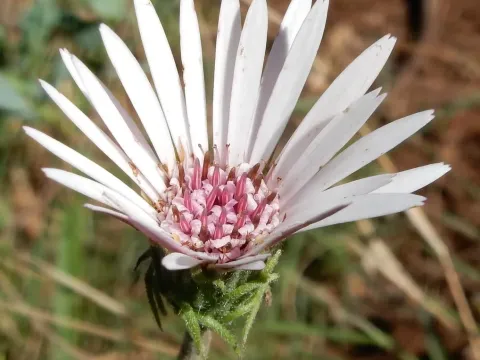
Gerbera (Gerbera L.) is a member of the Asteraceae family. It is a perennial herbaceous plant widely cultivated globally for its vibrant, long-lasting blooms in commercial floriculture.
2
items
What the section contains
Marketplace
Products in this section · 5


Gerbera
The plant originates from tropical regions of Africa and Asia. It requires well-drained, fertile soil with an acidic to neutral pH and thrives best in locations with high light intensity throughout the year.
The ideal temperature range for Gerbera production is between +18 °C and +24 °C. Proper ventilation is essential, as the plant is highly sensitive to stagnant air and high humidity, which can trigger various disorders.
Agronomic management involves precise irrigation techniques, typically using drip systems to keep foliage dry, and a balanced fertilization program that meets the crop's high nutritional needs.
Beyond cut flower production, certain varieties are bred specifically as potted plants, making the Gerbera one of the most versatile and economically significant crops in the flower industry.
Gerberas are highly susceptible to soil-borne pathogens such as Fusarium and Phytophthora, which cause root and crown rot, often resulting in sudden plant decline.
Powdery mildew and Botrytis (gray mold) are major threats to the foliage and flower buds, particularly in greenhouses where humidity management is suboptimal.
Pest management focuses on controlling spider mites, whiteflies, and thrips, which are notorious for causing physical damage and transmitting harmful viral diseases.
Integrated pest management (IPM) strategies, including biological controls and selective use of pesticides, are standard in commercial operations to maintain plant health.
Maintaining a rigorous sanitation protocol, including the use of sterilized media and disinfecting tools, is the primary defense against the spread of diseases within the crop cycle.
Harvesting of Gerbera blooms occurs when the disk florets have opened, indicating that the plant has reached its peak maturity for maximum vase life.
The standard practice involves pulling the stem directly from the base of the plant rather than cutting it, as this prevents tissue decay that can spread to the crown.
Post-harvest handling is critical; stems are cleaned and placed into clean water treated with preservatives to prevent bacterial growth and vascular blockage.
Quality grading is based on stem strength, straightness, flower diameter, and overall uniformity of color, which determines the market value of the batch.
Proper temperature control during the supply chain, usually maintained below +10 °C, ensures that the cut flowers reach the consumer in perfect condition.