
Geraea
Geraea
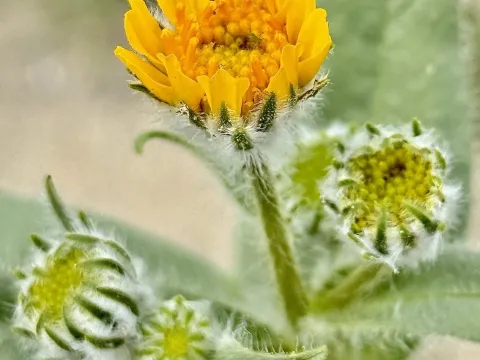
Geraea is a genus of flowering plants belonging to the Asteraceae family. These plants are native to the arid desert regions of the southwestern United States and northwestern Mexico, where they thrive in harsh, water-limited environments.
What the section contains


Geraea
The cultivation of Geraea requires well-drained, sandy, or gravelly soils that mimic their natural desert habitat. They are extremely sensitive to waterlogged conditions, which can lead to rapid root decay and plant mortality.
High levels of solar radiation are essential for the healthy development of this genus. As a typical xerophytic plant, it is adapted to high temperatures and intense sunlight, making it unsuitable for shaded or humid cultivation areas.
Soil nutrient requirements are relatively low, as the plant has evolved to survive in nutrient-poor environments. Over-fertilization is generally avoided as it can promote excessive succulent growth, which may reduce the plant's natural resilience to drought.
The botanical structure of Geraea includes dense pubescence, which serves as a protective mechanism against intense heat. This feature helps the plant maintain water balance and protects the internal tissues from the scorching desert sun.
The primary threats to Geraea in an agricultural or garden setting are fungal pathogens, specifically those causing root and collar rot. These issues are almost exclusively associated with improper moisture management and poor soil aeration.
Pests such as aphids and various leaf-feeding larvae can pose a risk, particularly during the blooming season. Monitoring for early signs of infestation is crucial to prevent damage to the flower heads and terminal buds.
Invasive weed species can significantly outcompete Geraea during the initial establishment phase. Weed control during the first weeks after germination is essential for the successful survival of the crop.
Environmental stress caused by sudden, non-seasonal humidity increases can induce powdery mildew. Ensuring good air circulation around the plants is an effective preventive measure against this type of fungal infection.
Herbivory by desert mammals represents a constant risk for young plants. When cultivating in native range areas, it is often necessary to provide physical protection to allow plants to reach maturity and establish strong root systems.