
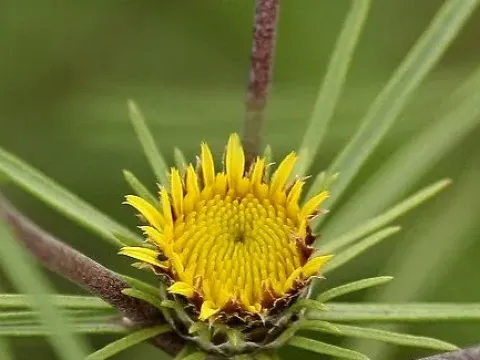
Geigeria
Geigeria
Geigeria is a genus of flowering plants belonging to the Asteraceae family. These plants are native to the arid and semi-arid regions of Southern Africa, typically found in harsh environmental conditions where few other species can thrive.
What the section contains


Geigeria
The plant demonstrates high adaptability to extreme soil conditions, including sandy and rocky substrates. It is characterized by its ability to remain dormant during prolonged droughts and resume growth rapidly following seasonal rainfall events.
Botanically, Geigeria plants are often low-growing herbs or small shrubs. They possess specialized leaf structures designed to reduce transpiration, such as trichomes or thickened cuticles, which allow them to conserve moisture in high-heat environments.
In an agricultural context, Geigeria is widely recognized as a problematic weed rather than a beneficial crop. It poses a significant challenge to pastoralists due to the presence of sesquiterpene lactones that cause chronic health issues in livestock.
Management of this genus involves integrated weed control programs aimed at protecting rangelands. Because it is toxic even in dried form, contaminated hay can lead to widespread poisoning of sheep and cattle, known as vermeer disease.
The primary threat associated with Geigeria is its chemical toxicity. When consumed by livestock, it leads to severe physical weakness and neurological distress, significantly impacting the productivity of grazing operations in affected areas.
While various insects and mites may interact with the plant, they do not serve as biological control agents capable of suppressing its population effectively. Research continues into sustainable range management practices to mitigate its impact on animal welfare.