
Cambridge gerbera
Gerbera x cantabrigensis Lynch
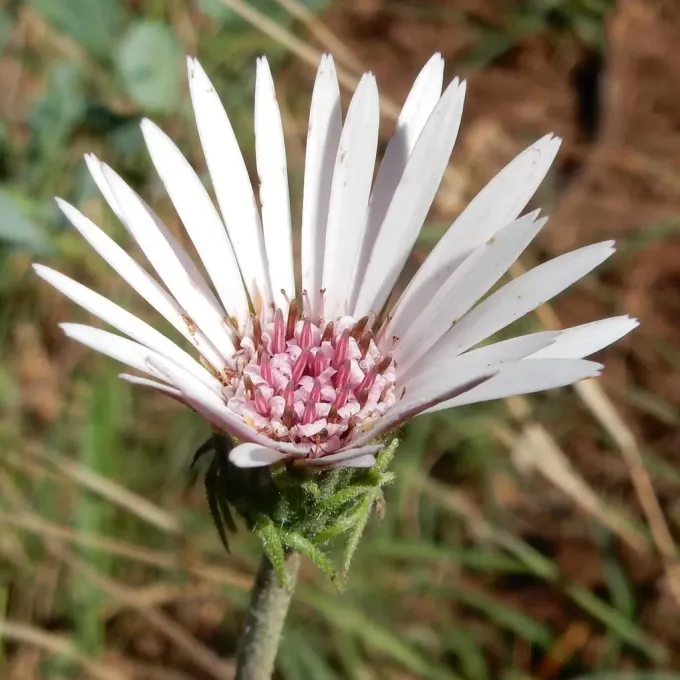
Description
Growing requirements
Gerbera x cantabrigensis, known as the Cambridge gerbera, is a hybrid ornamental plant belonging to the Asteraceae family. It is a result of a cross between G. jamesonii and G. viridifolia, specifically developed to combine the decorative qualities of the former with the resilience of the latter.
Originating from southern African species, this plant is primarily cultivated in greenhouses and as a potted ornamental. It features a basal rosette of leaves and produces elegant, daisy-like flower heads that serve as the main aesthetic value of the plant.
The plant requires well-draining, nutrient-rich, and slightly acidic soil to thrive. Proper drainage is the most critical factor, as stagnant water in the root zone quickly leads to decay, which is a common fatal issue for this particular hybrid.
Lighting requirements involve bright, indirect sunlight. While the plant loves light, direct exposure to harsh midday rays during the summer can lead to chlorosis and leaf scorching, necessitating the use of light-filtering curtains or greenhouse shading.
During the growing season, temperature management should focus on keeping the environment between 18°C and 24°C. Fertilizer application should be balanced, focusing on promoting flower development without excessive nitrogen, which can lead to lush leaf growth at the expense of blossoms.
Main diseases and pests
Powdery mildew represents a significant threat to the Cambridge gerbera, especially when humidity levels fluctuate or air circulation is poor. Effective management requires both improved ventilation and the application of appropriate fungicide treatments.
Root rot, often caused by Pythium or Phytophthora species, is prevalent in waterlogged soils. To prevent this, cultivators should ensure that the potting mix is aerated and that pots have sufficient drainage holes to allow excess water to escape immediately.
Spider mites are a common indoor pest that thrives in dry conditions. Regular misting and the use of acaricides are necessary to keep the population in check, as these pests can quickly cause leaf yellowing and eventual plant decline.
Whiteflies are another nuisance that can infest the underside of the leaves. Sticky yellow traps are often used in greenhouse environments to monitor and reduce the presence of these insects before they cause severe damage.
A consistent integrated pest management (IPM) program is essential for maintaining the health of the crop. Regular monitoring and sanitation of tools help prevent the spread of soil-borne pathogens and insect infestations.