
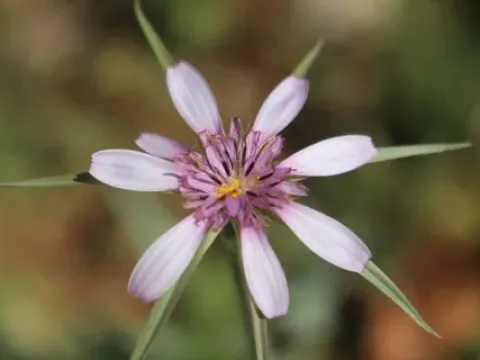
Geropogon
Geropogon
Geropogon (Geropogon hybridus) is a cold-hardy plant, so seeding in open ground is performed in early spring as soon as the soil warms to 5-8 degrees Celsius.
What the section contains

Geropogon
Winter sowing is also possible, allowing for an earlier harvest of young leaves and roots in the following growing season.
When sowing, it is critical to keep the planting depth at 1-2 centimeters to ensure consistent and uniform germination.
The optimal planting pattern involves row spacing of 30–45 centimeters to provide plants with sufficient room for vegetative development.
Thinning the seedlings is a mandatory step, as overcrowded beds promote fungal infections and decrease the quality of the root harvest.
The crop belongs to the Asteraceae family and prefers sunny areas with light, fertile sandy or loamy soils.
Geropogon shows high drought resistance, but for tender leaves and high-quality roots, it requires regular irrigation during the active growth phase.
The plant thrives in the temperate Mediterranean climate, so in regions with harsh winters, it requires protection or must be grown as an annual.
Soil pH should be close to neutral, as plant development slows down in highly acidic soils, and root appearance significantly deteriorates.
The crop responds positively to organic amendments, such as well-rotted compost, applied a year before planting in the selected plot.
The yield of Geropogon depends on management intensity and soil fertility, averaging between 1.5 and 2.5 kilograms of marketable produce per square meter.
The main part of the harvest consists of edible roots, which taste similar to oyster plant or salsify, possessing a delicate nutty flavor.
Young leaves of Geropogon are also consumed as a component in vitamin salads, allowing for multiple harvests within a single season.
In commercial cultivation, adhering to the harvest schedule is essential, as over-mature roots can become woody and lose their culinary appeal.
Maximum production is achieved by using high-quality seed material and timely weed control during the early stages of plant growth.
The primary threats to Geropogon are pests common to the Asteraceae family, particularly aphids and spider mites.
Under high humidity, plants may be affected by powdery mildew, requiring preventive treatments and proper ventilation within the planting beds.
Root rot is a major issue in poorly drained soil, making adequate water management a critical preventive measure.
Slugs and snails can damage young foliage, so creating physical barriers like wood ash or sand around beds is highly recommended.
To combat diseases, integrated management methods including crop rotation are advised, ensuring Geropogon does not return to the same plot for at least 3-4 years.
Root harvesting is conducted in the autumn of the first year or early spring of the second year if the crop is allowed to overwinter in the soil.
Using garden forks is recommended for extracting roots to minimize mechanical damage to the delicate skin of the root vegetable.
Once harvested, roots should be cleaned of soil debris, washed, and stored in a cool place at a temperature of approximately 0–2 degrees Celsius.
Leaf mass for culinary use is harvested as it grows back, while taking care not to damage the growth point to extend the harvest period.
After the harvest is complete, it is essential to clear all plant debris from the plot to prevent pathogen accumulation in the soil.