
Galatella cana
Galatella cana
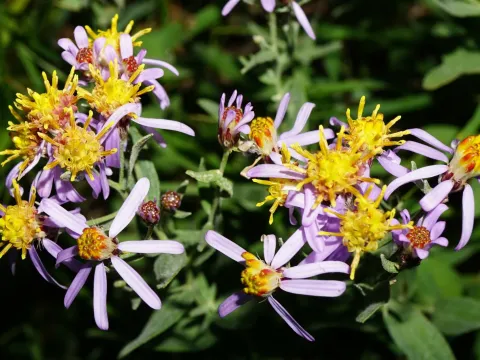
Galatella cana, commonly known as hoary goldilocks aster, is a perennial herb belonging to the Asteraceae family. It is a resilient species native to the Eurasian steppe and forest-steppe zones, perfectly adapted to harsh, open environments.
What the section contains
Galatella cana
The plant demonstrates remarkable drought tolerance and can withstand extreme temperature fluctuations. It is undemanding regarding soil quality, thriving in stony, sandy, and saline soils where many other plants fail to establish, making it suitable for land restoration.
Optimal growth requires intense sunlight and excellent drainage. Waterlogging is detrimental to this species; therefore, it is essential to cultivate it in elevated sites with a light soil texture to avoid root suffocation.
In its natural habitat, Galatella cana is found on hillside slopes and dry meadows. Its deep root system allows the plant to access moisture from lower soil horizons, maintaining its vigor during prolonged dry spells.
Its primary agricultural and utility functions include landscaping as a low-maintenance xeriscape plant, and its role as a late-season nectar source that supports local pollinator populations in steppe regions.
Propagation of Galatella cana is typically achieved through seeds or by dividing the rhizome. Seeds possess good germination rates, though they benefit significantly from a cold stratification process before planting.
Late autumn is the preferred time for direct sowing into open ground. The winter chill serves as a natural stratification period, ensuring that the seeds break dormancy and emerge uniformly when spring temperatures rise.
For spring planting, seeds should be stratified artificially in a refrigerator for approximately one month. They should be sown at a very shallow depth, as the seeds require exposure to light to initiate germination successfully.
When starting from seedlings in containers, provide moderate watering and plenty of light. Transplanting to the permanent site should occur once the seedlings have reached the three-to-four-leaf stage to ensure successful establishment.
Early maintenance includes regular weeding, as the plant is slow-growing during its first season and can be easily outcompeted by more aggressive vegetation if not properly managed.
Galatella cana is generally highly resistant to diseases. However, in poorly drained or overly humid conditions, the plant may become susceptible to root rot, which is the most common physiological disorder affecting this species.
Pest pressure is usually low. Occasionally, sap-sucking insects like aphids may colonize the foliage during intense heat waves, though this rarely compromises the long-term survival of a healthy plant.
To ensure plant health, it is recommended to avoid excessive nitrogen fertilization, which can lead to lush but weak growth, making the plants more attractive to opportunistic pests.
Preventive maintenance involves monitoring for moisture levels and removing any infected plant debris, which helps minimize the risk of pathogen buildup in the soil or surrounding areas.
Overall, this species is noted for its strong phyto-sanitary resilience, requiring very few chemical inputs, which makes it an excellent candidate for sustainable or organic gardening practices.