
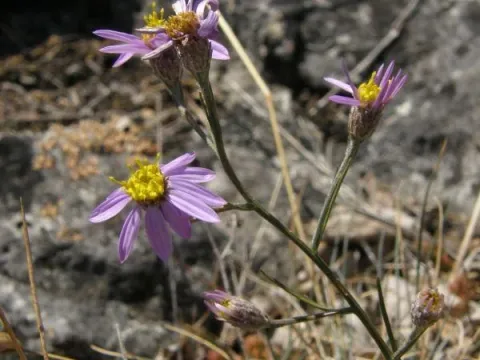
Galatella aragonensis
Galatella aragonensis
Galatella aragonensis is a perennial herbaceous plant belonging to the Asteraceae family. It is recognized for its unique adaptation to harsh, arid environments, making it a highly resilient species for specific climatic conditions.
What the section contains
Galatella aragonensis
Native to the regions of Aragon and neighboring parts of the Iberian Peninsula, this plant has evolved to thrive in rocky, calcareous, and nutrient-poor soils. Its natural habitat is characterized by extreme temperature fluctuations and minimal water availability.
Agricultural success with this crop depends heavily on soil drainage. It requires well-aerated, sandy, or stony substrates. Poor drainage is the primary limiting factor, as the root system is highly sensitive to hypoxia and waterlogged conditions.
The plant demonstrates significant tolerance to intense direct sunlight, which is essential for its optimal physiological development. Providing full sun exposure is mandatory to maintain the structural integrity and blooming potential of the plants.
Maintenance of Galatella aragonensis involves minimal input. It does not require high levels of fertilization; in fact, over-fertilization with nitrogen can lead to vegetative overgrowth and reduced flower production, negatively impacting the crop's purpose.
The primary threats to Galatella aragonensis are fungal pathogens, specifically those causing root and crown rot. These issues are almost exclusively associated with improper water management or high soil moisture levels during dormant periods.
Insect pests, such as aphids, can infest the plant during the active growth phase, targeting tender shoots and flower buds. Monitoring programs should be implemented to identify early signs of infestation and prevent severe damage.
In humid or stagnant air conditions, powdery mildew may develop, appearing as a white fungal growth on the leaves. This disease can significantly weaken the plant if left untreated during periods of high humidity.
Cultural control strategies are the most effective way to manage these threats. Ensuring optimal plant spacing is crucial to promote airflow and prevent the buildup of localized moisture around the foliage and stems.
Sanitation practices, including the removal of dead plant tissue after the growing season, are essential for pest and disease management. By maintaining a clean growing environment, the potential for disease recurrence is minimized.