
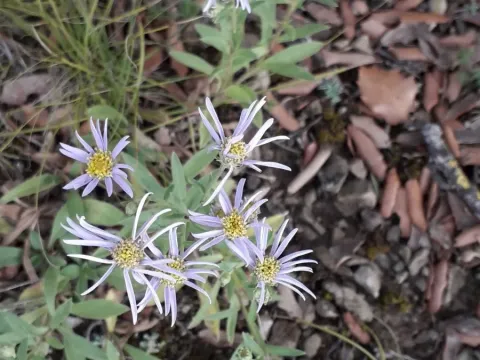
Galatella sedifolia
Galatella sedifolia
Sowing of Galatella sedifolia is best performed in early spring once the soil temperature consistently reaches 8–10 degrees Celsius. Stratification of seeds is highly recommended to improve germination rates and uniformity.
What the section contains
Galatella sedifolia
In field production, seeds should be sown in rows with a spacing of 45 to 60 centimeters. This distance ensures optimal aeration and space for the developing root system, which is characteristic of this robust perennial.
The seeding depth should not exceed 1–2 centimeters. Being small, the seeds require proper contact with the soil, achieved by light rolling after sowing, to ensure sufficient moisture uptake during the initial germination phase.
Transplanting seedlings grown in trays or plugs is an alternative method to enhance establishment. Seedlings should be hardened off before moving them to their permanent location to ensure stress-free adaptation.
Moisture management in the first weeks following emergence is critical. Although mature plants are extremely hardy, young seedlings need consistent soil moisture to successfully anchor their root systems.
Galatella sedifolia is a member of the Asteraceae family known for its ecological resilience in steppe environments and saline meadows. It is a perennial herbaceous plant capable of thriving in harsh conditions.
The crop requires full sun exposure to maintain its vigor and healthy growth cycle. Providing an open, unobstructed site ensures the accumulation of biomass and potential medicinal compounds within the plant tissues.
It prefers well-drained loamy or sandy soils with a neutral to slightly alkaline pH. The plant's unique ability to tolerate soil salinity makes it an excellent candidate for agricultural land that might be marginal for other crops.
Climate adaptability is one of its strongest features, as it exhibits significant drought tolerance. The plant can withstand long periods of low precipitation without showing signs of physiological stress.
General management practices are relatively simple. Field maintenance focuses on inter-row cultivation during the first two seasons to control weeds until the plant establishes a dense, self-sustaining stand.
While Galatella sedifolia is naturally robust, it can be susceptible to root rot in cases of extreme soil saturation. Maintaining proper drainage and avoiding waterlogging is the primary preventive measure.
Aphids may occasionally appear on young shoots and buds during the active growing phase. Integrated pest management, focusing on beneficial insects or biological controls, is preferred to maintain the plant's natural health.
Powdery mildew may occur during periods of high humidity and poor air circulation. Proper spacing between plants and good site management effectively reduce the risk of fungal proliferation.
Occasional damage from leaf-eating insects is generally minimal and rarely impacts the total yield of the crop. Monitoring during the growing season allows for early detection of potential threats.
Given its natural hardiness, this crop requires minimal synthetic inputs. Its low susceptibility to major field diseases makes it a sustainable option for low-maintenance landscaping and field projects.