
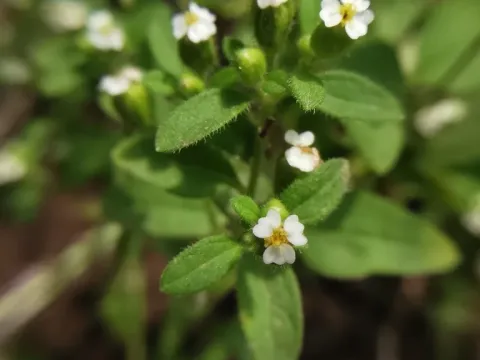
Galeana
Galeana
Sowing Galeana requires strict adherence to soil temperature conditions, as the seeds are sensitive to early frost. The optimal period for sowing is spring, once the top layer of soil warms up to 12–15 degrees Celsius.
What the section contains
Galeana
The sowing depth ranges from 2 to 3 centimeters, which ensures optimal germination and uniform development of the root system. A row-crop planting method is recommended to achieve high plant density.
After sowing, it is critical to roll the soil to improve contact between the seeds and the moist substrate. This stage is essential for ensuring uniform emergence and subsequent crop development.
In regions with a prolonged spring, planting dates can be adjusted; however, delaying sowing too far into the season reduces the vegetative period. It is vital to finish sowing before critical temperature thresholds are reached.
The planting density depends directly on soil fertility and the purpose of cultivation, averaging between 40,000 and 60,000 plants per hectare. Compliance with these parameters ensures adequate nutrition for every plant.
Galeana, a member of the Asteraceae family, has specific requirements for sunlight exposure. The crop is extremely light-loving and does not tolerate overcrowded planting, which leads to stem deformation.
The plant prefers well-drained sandy loam or loam soils with a neutral pH level. Stagnant water is detrimental to the root system and often triggers the development of rot processes.
The optimal temperature range for active crop growth is between 18 and 25 degrees Celsius. Prolonged exposure to temperatures above 30 degrees leads to a significant decrease in photosynthetic intensity.
While the crop possesses moderate drought resistance, regular irrigation is required during the intensive growth phase to obtain a high-quality yield. During dry periods, controlled drip irrigation is recommended.
Nutrient requirements include the mandatory application of nitrogen fertilizers at the beginning of the growing season and phosphorus-potassium complexes during the flowering phase. Organic fertilizers help improve soil structure.
Among the primary diseases of Galeana, various types of powdery mildew are common, especially in high-humidity conditions. Prevention involves strict crop rotation and timely thinning of the rows.
Root rot poses a significant danger if the soil becomes waterlogged. Fungal pathogens can spread rapidly across a field, destroying a large portion of the crop in a short period.
Regarding pests, aphids and various leaf-chewing caterpillars cause the most damage. These insects not only damage the foliage mechanically but also act as vectors for viral diseases that reduce productivity.
Integrated pest management, including the use of biological agents, is highly recommended for control. Chemical pesticides should only be applied when the economic threshold of damage is exceeded.
Systematic monitoring of the fields allows for the early detection of infection spots. It is essential to maintain field sanitation by clearing weeds, which often serve as reservoirs for diseases and pests.