
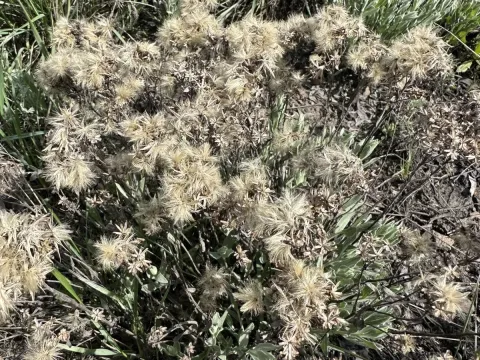
Galatella villosa
Galatella villosa
Galatella villosa is a perennial herbaceous plant from the Asteraceae family. Known for its adaptability, this species typically thrives in steppe regions and dry meadows, demonstrating high resilience to harsh environments.
What the section contains
Galatella villosa
The botanical structure of the plant is adapted to arid conditions. Its stems and leaves are covered with dense, woolly hairs, which significantly reduce water loss through transpiration and protect the plant from intense solar radiation.
In terms of soil requirements, this plant is quite hardy. It prefers well-drained, sandy, or rocky soils and is notably capable of growing in saline conditions where many other species would fail to establish.
Climate adaptability is one of its core strengths. It requires plenty of sunshine and can withstand cold winter temperatures, making it a reliable perennial option for various temperate climate zones.
Agriculturally, this plant is useful for soil stabilization and land restoration projects. Its extensive root system prevents soil erosion and helps improve the structure of degraded lands, serving as a sustainable choice for environmental management.
The primary threats to Galatella villosa are fungal pathogens that thrive in high humidity. Root rot is a common issue if the plant is grown in poorly drained soil or areas with standing water.
Pests, such as aphids and spider mites, may attack the plant during dry spells. These pests target the foliage and can weaken the plant if left unmanaged over long periods of time.
Powdery mildew can occur during periods of high humidity and poor ventilation. Keeping the planting site well-ventilated and maintaining proper spacing between plants helps mitigate this risk significantly.
Root nematodes represent a potential threat in specific soil types, particularly if the crop is not rotated correctly. Regular soil analysis is recommended to ensure the health of the root system.
Integrated pest management remains the most effective strategy. Monitoring during the growing season and removing infected plant debris helps maintain the overall health and vigor of the population.