
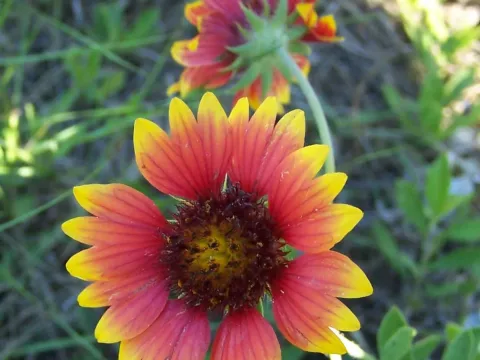
Gaillardia
Gaillardia
Gaillardia belongs to the Asteraceae family and is commonly known as the blanket flower. Its origins are traced to the arid regions of North and South America, where it has adapted to harsh environmental conditions.
What the section contains


Gaillardia
Propagation is primarily through seeds or division of the clumps. Sowing in early spring allows the plants to establish themselves and produce blooms within the first growing season.
When sowing directly into the ground, it is crucial to wait until the danger of frost has passed. Seeds should be sown at a shallow depth to ensure they receive sufficient light for germination.
Optimal germination occurs at temperatures between 20 and 22 degrees Celsius. Under proper moisture conditions, seedlings typically emerge within two weeks after sowing.
Transplanting seedlings is performed once the first pair of true leaves appears. Maintaining adequate light levels during the early growth stage is essential to prevent spindly stems.
Gaillardia is a sun-loving plant that requires full sun exposure to thrive. In shaded areas, the intensity of its colors diminishes, and the plant becomes susceptible to diseases.
The soil must be well-drained and light, as the plant is highly intolerant to waterlogging. Sandy or loamy soils are ideal for ensuring the health of the root system.
The soil pH should ideally be neutral or slightly alkaline. In areas with heavy clay soil, it is recommended to add sand or organic amendments to improve aeration and drainage.
The plant is highly drought-tolerant once established and requires supplemental irrigation only during prolonged dry spells. Overwatering is one of the most common causes of plant failure.
Fertilization should be kept moderate. Excessive nitrogen application promotes foliage growth at the expense of floral display, so balanced potassium and phosphorus fertilizers are preferred.
Powdery mildew is the most frequent disease affecting Gaillardia, especially in areas with high humidity. Proper spacing between plants helps improve air circulation and reduces infection risk.
Root rot occurs if the soil remains excessively moist for an extended period. Removing affected plants and improving the drainage of the site are essential corrective measures.
Pests such as aphids and leafhoppers can damage the plant by feeding on its sap. Regular monitoring and the use of insecticidal soaps can manage these populations effectively.
Whiteflies may also infest the foliage, particularly in greenhouse environments. Integrated pest management strategies should be employed to maintain plant health without heavy chemical use.
General hygiene in the garden, including the removal of dead plant material at the end of the season, significantly reduces the overwintering of pathogens and insect pests.
Seed harvesting should be performed when the flower heads turn dark and begin to dry. It is best to gather them during dry weather to prevent moisture retention and subsequent mold.
For ornamental use, flowers should be harvested when they are partially open to maximize their vase life. They are highly valued in the cut flower industry for their vibrant colors.
Regular deadheading of spent blossoms is a key management practice. This encourages the plant to direct its energy toward new bud formation rather than seed production.
At the end of the season, the foliage should be cut back to the ground level. This preparation helps perennials enter dormancy successfully and improves the chances of survival during winter.
In regions with extremely cold winters, applying a layer of mulch over the base of the plant can provide necessary insulation and protect the root system from freezing damage.