
Three-nerved fleabane
Erigeron subtrinervis
Three-nerved fleabane (Erigeron subtrinervis) is a hardy perennial belonging to the Asteraceae family. This species is recognized for its robust nature and its role as a significant floral resource for pollinators within various landscapes and agricultural settings.
What the section contains
Three-nerved fleabane
Originating from the mountainous and meadow regions of North America, this plant has adapted to diverse climatic conditions. Its natural resilience allows it to thrive in temperate zones, where it demonstrates significant cold hardiness and the ability to recover quickly after winter dormancy.
Optimal growth requires well-drained, fertile soil with a neutral pH profile. The plant thrives best in full sun exposure, which ensures the development of sturdy stems and promotes maximum flowering. Adequate space between plants is necessary to allow for proper airflow and development.
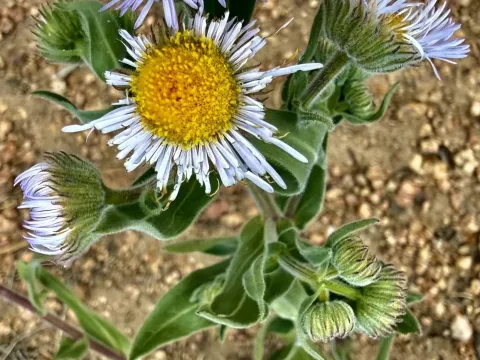
Botanically, the plant is characterized by its upright, hairy stems reaching heights up to 80 cm. The leaves feature distinctive three-nerved venation, providing a unique visual identification. The daisy-like flower heads are composed of numerous ray florets, typically appearing in shades of white to lavender.
Economically, the species is utilized in landscaping, floriculture, and as an essential component for sustaining honeybee populations. Its longevity and minimal requirement for soil fertilization make it an efficient choice for large-scale ecological gardening and habitat restoration projects.
The primary health concerns for this species involve fungal pathogens, particularly powdery mildew, which can thrive in stagnant air conditions or high humidity. Maintaining proper spacing and avoiding overhead irrigation are effective strategies to prevent the spread of these fungal issues.
Insect pests, specifically aphids and certain types of leaf miners, may affect the foliage during the peak growing season. Growers should implement integrated pest management practices, prioritizing physical removal or biological controls to protect the health and vigor of the plants.