
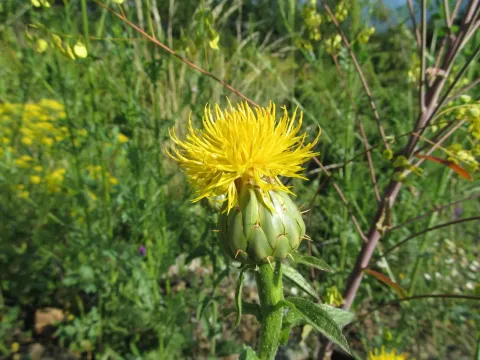
Thracian knapweed
Centaurea thracica
Thracian knapweed (Centaurea thracica) is a resilient perennial belonging to the Asteraceae family. To achieve optimal germination, sowing should take place in early spring once the soil temperature consistently reaches 10 degrees Celsius.
What the section contains
Thracian knapweed
The seeds should be sown at a shallow depth of 1.5–2 centimeters in a well-drained, sandy-loam soil. Proper seedbed preparation, including fine harrowing, is essential to ensure a high germination rate for this species.
Row spacing should be maintained at 40–50 centimeters to allow for sufficient air circulation and to facilitate mechanical weeding between rows. Overcrowding can lead to stunted growth and increased susceptibility to fungal issues.
In regions with mild winters, autumn sowing is also a viable option. This mimics natural stratification, which often results in more vigorous seedling emergence during the following spring season.
Selecting high-quality, viable seeds is critical for industrial cultivation. Since the species is adapted to wild, open landscapes, minimizing competition from weeds during the seedling stage is the most important agronomic practice.
This species thrives in full sun, requiring at least 6–8 hours of direct light daily. It is exceptionally well-suited for exposed, sunny hillsides where other crops might struggle due to limited moisture or poor soil fertility.
It prefers neutral to slightly alkaline, well-drained soil. Heavy clay soils are generally unsuitable unless significant drainage amendments, such as gravel or sand, are incorporated into the root zone before planting.
Thracian knapweed is remarkably drought-tolerant once established. While it needs moderate moisture during the initial growth phase, mature plants can endure extended dry periods without supplemental irrigation.
Temperature tolerance is high, as the plant is adapted to the fluctuating climate of the Balkan region. It handles both intense summer heat and cold winter temperatures effectively, provided the soil drainage remains excellent.
Fertilization should be handled with caution. Excess nitrogen encourages excessive foliage at the expense of floral development, which is the primary value of the crop, therefore, low-dose, balanced mineral fertilizers are recommended.
The most common disease affecting this crop is root rot, particularly in damp conditions. Proper site selection and avoiding excessive irrigation are the primary preventive measures to protect the root system.
Powdery mildew may appear on the foliage during periods of high humidity or poor air movement. Thinning out dense patches and maintaining clear space between plants helps mitigate this risk significantly.
Pests such as aphids may congregate on the flower buds during the peak growing season. Biological control measures are preferred, especially if the crop is intended for pharmaceutical or food-grade herbal production.
Early-season weed pressure is the biggest competitor for resources. Implementing consistent mechanical weeding or mulching between rows is essential for the crop to reach maturity without undue stress.
Rodent damage to the roots during winter dormancy can occur in certain areas. Monitoring fields for burrowing activity in late autumn can help in taking early protective steps to minimize crop loss.
Harvesting the flower heads occurs during the peak of the blooming season, typically in early to mid-summer. It is crucial to pick the flowers when they are fully open to maximize the concentration of natural extracts.
Using sharp shears to cut the heads ensures clean wounds that heal quickly, reducing the risk of secondary infections. Only the floral heads should be harvested, avoiding excessive stem material to maintain product quality.
Immediately after harvest, the flowers must be dried in a dark, well-ventilated space. High temperatures during drying should be avoided, as they can destroy the delicate aromatic compounds found within the petals.
Seed collection should be performed as soon as the seed heads turn brown and begin to dry. Because seeds shed easily, timing is critical, and specialized collection bags can prevent significant harvest loss.
Storage requires cool, dry conditions away from direct sunlight. Properly dried and sealed, the harvested material maintains its chemical stability and value for several months before reaching the end consumer.