
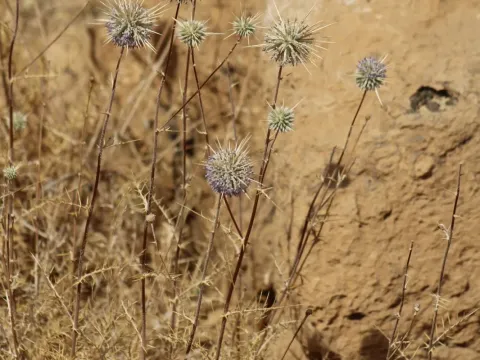
Echinops polyceras
Echinops polyceras
Echinops polyceras is a perennial herbaceous plant belonging to the Asteraceae family. Seeds are typically sown in early spring when soil temperatures reach 5–8 degrees Celsius, or in late autumn as dormant seeding.
What the section contains
Echinops polyceras
The sowing process involves maintaining row spacing of approximately 60–70 centimeters to facilitate mechanical weed control. Seeds should be planted at a shallow depth of 2–3 centimeters.
Seedlings show slow growth during the first year as the plant focuses on establishing a strong root system. Pre-sowing stratification of seeds is highly recommended to ensure uniform and rapid germination.
Optimal plant density is crucial; typically, 3–5 plants per linear meter provide sufficient space for development. Overcrowding can negatively impact flower production and nectar yield.
Early-stage management requires strict weed control, as young plants are sensitive to competition. Maintaining a clean field environment during the establishment phase is essential for long-term success.
Echinops polyceras is a light-loving species that thrives in open, sun-exposed areas. Shaded environments inhibit plant growth and significantly reduce the nectar secretion efficiency.
The crop prefers loose, fertile soils such as chernozem or sandy loams with excellent drainage. It is highly intolerant of waterlogged conditions, which can lead to rapid root decay.
This plant is notably drought-tolerant due to its deep taproot system, making it an excellent candidate for cultivation in arid regions. It demonstrates superior resilience compared to many other forage crops.
An optimal soil pH for this plant ranges from 6.0 to 7.5. On acidic soil types, applying lime before planting is recommended to improve nutrient availability and soil structure.
The plant is frost-hardy and survives harsh winters without special protection. This hardiness makes it a reliable perennial for various agricultural zones across temperate regions.
The primary economic value of Echinops polyceras lies in its role as a high-quality honey plant. It produces abundant nectar, with potential yields reaching 300–800 kilograms per hectare depending on site quality.
Seed production is another vital aspect of this crop, with yields ranging from 5 to 7 centners per hectare. The prolonged flowering period ensures a consistent supply of bee forage throughout the summer.
The plant is increasingly recognized in the pharmaceutical industry for its seeds, which contain the alkaloid echinopsine. This provides farmers with an additional income stream alongside apiculture.
Biomass from the plant can be utilized in the production of herbal vitamin flours. However, due to the prickly nature of the leaves, specialized harvesting machinery is required for processing.
A well-managed plantation can remain productive for 7 to 10 years, reaching peak harvest capability by the third or fourth year. Regular monitoring ensures consistent long-term results.
Fungal diseases, specifically powdery mildew and various rust species, are the most significant threats to the crop. These are common in high-humidity environments with poor field ventilation.
Root rot occurs in poorly drained or waterlogged soils. Mitigation strategies include site selection and crop rotation practices that exclude other members of the Asteraceae family.
Insect pests, including weevils, may damage flower heads and reduce seed output. Insecticide use during flowering is strictly prohibited to avoid harming honey bees and other pollinators.
Biological pest control methods and prophylactic agricultural practices are preferred. Keeping the plantation healthy and vigorous significantly reduces the likelihood of severe pest infestations.
In cases of widespread rust, mowing the foliage after the flowering phase can help stimulate the growth of healthy new shoots in the subsequent season.
Seed harvesting should occur when the flower heads turn greyish or brown. Timely collection is crucial to prevent seed loss, as seeds are equipped with a pappus that aids wind dispersal.
Mechanical harvesting with combine harvesters is possible, provided the machines are calibrated to minimize grain loss. Small-scale farmers often harvest manually by cutting the heads.
After collection, seeds must be dried in well-ventilated areas to reach the correct moisture content for storage. Proper drying ensures the longevity of both seed viability and pharmaceutical quality.
Honey harvesting is the main agricultural activity related to this plant, involving the collection of nectar by managed honey bee colonies. The resulting honey is highly prized for its unique aroma.
When harvesting for medicinal raw material, focus on clean flower heads. Storage conditions must be dry and cool to prevent mold and the degradation of active medicinal compounds.