
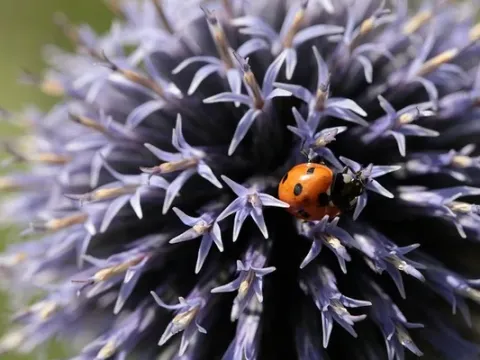
Echinops oxyodontus
Echinops oxyodontus
Echinops oxyodontus belongs to the Asteraceae family. This perennial herbaceous plant is primarily propagated by seeds. Sowing is typically carried out in late autumn or early spring after mandatory stratification, which significantly improves germination rates.
What the section contains
Echinops oxyodontus
The optimal time for spring sowing is in the second half of April, once soil temperatures reach 8-10 degrees Celsius. Seeds should be sown at a depth of 1-2 centimeters, ensuring good contact with moist soil to facilitate fast germination.
For industrial production, wide-row sowing with row spacing of 60-70 centimeters is common. This design simplifies crop management, allows for mechanized weeding, and facilitates the application of necessary fertilizers to stimulate plant development.
The plant demonstrates high initial vigor but requires protection from weed pressure during its early growth stages. Selective herbicides should only be applied once the young plants have developed several sets of true leaves to avoid phytotoxic damage.
Optimal plant density at harvest should reach 40,000 to 50,000 plants per hectare. This density provides sufficient space for each bush to grow, promoting the formation of robust flower heads rich in seeds and nectar.
Echinops oxyodontus is a drought-tolerant crop well-adapted to steppe and forest-steppe climatic conditions. It thrives in open, sunny locations, as shading causes the plants to become leggy and significantly reduces seed and nectar yields.
The plant is not highly demanding regarding soil types, though it performs best in loamy or sandy loam soils with a neutral pH. It is crucial to avoid areas with high groundwater levels, as excessive soil moisture leads to root rot and poor plant health.
The crop is highly winter-hardy and can withstand significant temperature fluctuations. Its deep taproot system allows it to access moisture from lower soil layers, making it a reliable performer in regions prone to seasonal dryness.
Echinops can productively inhabit a single site for 5 to 7 years. To maintain plantation productivity, growers are encouraged to apply phosphorus-potassium fertilizers in the early spring to support the development of floral parts.
In agriculture, Echinops is highly valued as a premier honey plant. Its flowering period occurs in mid-to-late summer, providing bees with an abundant source of nectar and pollen during a time when many other forage crops have ceased blooming.
The seed yield of Echinops oxyodontus can reach 5-8 centners per hectare under proper management. Yield results are heavily dependent on weather conditions during the flowering phase, as high humidity can hinder pollination and reduce overall seed set.
Economic use of the crop includes harvesting seeds for the pharmaceutical industry. The seeds contain alkaloids, such as echinopsine, which are utilized in medicinal formulations for treating neurological disorders and hypotension.
To improve yields, pest management during the seed-ripening stage is essential. Utilizing integrated biological controls helps minimize crop loss while ensuring the safety of honeybees, which are frequent visitors to the plantation.
Yield efficiency increases with proper crop rotation. Echinops performs exceptionally well following cereal or row crops that have left the field free of persistent perennial weeds, reducing the labor required for field maintenance.
In terms of honey production, this crop offers significant benefits. Strong bee colonies can harvest large volumes of high-quality, therapeutic-grade honey, which is highly sought after by apiarists for its distinct flavor and medicinal properties.
Echinops oxyodontus is generally resistant to diseases, but improper agronomic practices may lead to outbreaks of powdery mildew. This fungal disease creates a white coating on the leaves, weakening the plant and necessitating timely fungicide treatments.
Root rot is a significant threat when the plant is grown in heavy, waterlogged soils. To prevent the spread of pathogens, it is vital to ensure adequate soil drainage and avoid over-irrigation of the production site.
Among pests, aphids and weevils pose the greatest risk, as they damage buds and young foliage. In cases of mass infestation, biological insecticides are recommended to protect the crop while remaining non-toxic to beneficial pollinators.
Rust may affect the foliage during particularly wet summers. Removing affected plant debris and applying copper-based treatments can help contain the spread of fungal spores and protect the health of the remaining crop.
Weeds are the primary competitors for nutrients and light. Since Echinops is slow to establish in its first two months, regular mechanical inter-row cultivation and hand weeding in the rows remain essential tasks for plantation success.
Harvesting is performed when the seed heads are fully mature, appearing dry and greyish-brown in color. It is critical to harvest promptly, as the seeds shatter easily and can be lost if left too long in the field during windy weather.
For mechanized harvesting, combine harvesters with precise adjustments for the threshing cylinder are used. Before harvesting, growers must ensure seed moisture is below 14% to prevent damage and spoilage during long-term storage.
Harvested seeds undergo cleaning using specialized machinery to remove stalks and foreign debris. Subsequent drying in well-ventilated areas or dryers at temperatures not exceeding 40 degrees Celsius ensures seed viability and storage quality.
When harvesting for medicinal purposes, the process should occur during dry, sunny weather. The final product must be clean and free of stems or extraneous plant parts to meet pharmaceutical market standards.
Storage should take place in dry, cool facilities with good airflow. Under controlled humidity conditions, the seeds maintain high germination rates and medicinal potency for several years.