
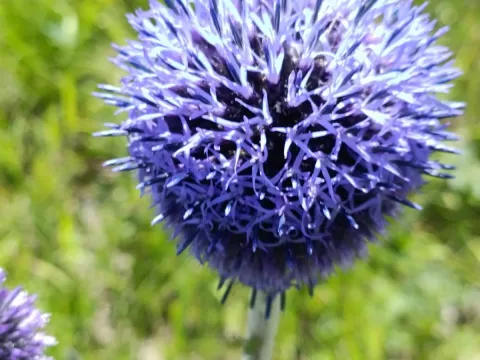
Echinops latifolius
Echinops latifolius
Echinops latifolius is a perennial plant belonging to the Asteraceae family, widely recognized for its significant agricultural and botanical value.
What the section contains
Echinops latifolius
The optimal time for sowing is during the late autumn, which ensures that the seeds undergo necessary natural stratification during the winter months.
When spring sowing is preferred, it must be performed as early as possible in the season to leverage soil moisture for consistent germination.
Seeds should be planted at a depth of 2–3 cm into prepared soil, maintaining a row spacing of approximately 50 cm for optimal plant density.
Regular weeding and soil aeration during the early stages of growth are crucial for ensuring the survival and vigor of the young seedlings.
This species is highly adaptable, exhibiting strong resistance to both drought and cold, making it suitable for various climatic conditions.
Sunlight is the primary requirement for successful cultivation, as shaded conditions significantly reduce both growth rate and nectar secretion.
The plant thrives in well-drained, fertile soil, though it can tolerate a wide range of soil types provided there is no waterlogging.
While the plant is relatively low-maintenance, supplemental application of phosphorus and potassium fertilizers during spring boosts floral development.
Avoid planting on heavy, clayey soils that tend to compact, as the root system of Echinops latifolius requires good aeration to prevent decay.
Echinops latifolius is an exceptional honey-producing crop, often cited as one of the best sources of nectar for commercial apiaries.
A single hectare of established, healthy plantation can produce up to 500 kg of honey under favorable environmental and weather conditions.
Peak yield is typically reached during the second and third years of cultivation, when the plants establish a deep and robust root network.
Seed harvesting is conducted when the flower heads turn dry and brown, ensuring that the seeds have reached full maturity before cleaning.
In addition to honey, the plant is harvested for its roots and seeds in the pharmaceutical industry due to the presence of specific active compounds.
The most common disease affecting this crop is root rot, which typically develops when plants are grown in areas with poor drainage and high moisture.
Powdery mildew can occur during periods of high humidity and poor ventilation, necessitating cultural practices such as ensuring proper spacing.
Common insect pests include aphids and various leaf-eating beetles, which can damage the plant's foliage if not monitored during the vegetative phase.
Effective weed control is critical during the first growing season, as young plants cannot compete with aggressive weeds for nutrients and space.
All pest management activities should be concluded well before the onset of flowering to avoid causing harm to pollinating bees and other beneficial insects.