
Doronicum excelsum
Doronicum excelsum
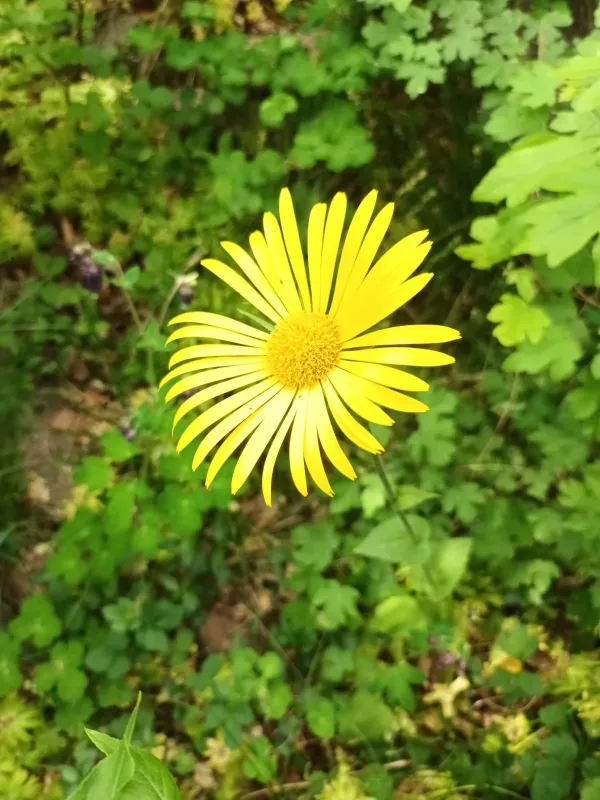
Description
Sowing dates
Doronicum excelsum is a herbaceous perennial belonging to the Asteraceae family. This species is known for its robust growth habit and is primarily propagated through the division of rhizomes to maintain genetic consistency within the population.
The optimal time for transplanting or dividing the plants is immediately after the flowering period concludes. In most temperate regions, this is during early to mid-summer, allowing the root systems to establish firmly before winter dormancy.
Seed propagation is also a viable method, although it requires a cold stratification period to break seed dormancy. Sowing in late autumn allows for natural exposure to cold temperatures, facilitating germination in the subsequent spring.
When establishing new beds, it is essential to space the plants 30 to 40 centimeters apart. This spacing ensures adequate airflow around the foliage, which is critical for reducing the risk of fungal pathogens in dense planting conditions.
The planting depth should be shallow, particularly for rhizome divisions, ensuring that the growth buds are positioned just below the soil surface to encourage rapid shoot emergence and root development in the surrounding medium.
Growing requirements
Doronicum excelsum thrives in partial shade or locations with diffused sunlight. While it can tolerate exposure to full sun, this requires intensive irrigation management to prevent dehydration and stress during the peak summer months.
The soil must be well-draining, nutrient-rich, and possess a neutral or slightly acidic pH. Avoiding compacted soil is crucial, as the root system requires significant oxygen levels to remain healthy and productive throughout the growing season.
Regular moisture is a non-negotiable requirement for this species. Drought stress leads to premature senescence of the foliage, which significantly impacts the plant's overall health and ability to store reserves for the following year.
This species is highly cold-hardy, adapting well to various climates within the temperate zone. No specific winter protection is required, provided that the soil drainage is sufficient to prevent waterlogging during thawing periods.
For high-performance results, the application of a balanced NPK fertilizer in the early spring is recommended. This promotes vigorous vegetative growth and enhances the development of flower buds, which are characteristic of this species.
Main diseases and pests
Fungal diseases, specifically powdery mildew and root rot, represent the primary threats to the cultivation of Doronicum excelsum. These issues are almost always exacerbated by stagnant water or poor air circulation within the planting area.
Insect pests, most notably aphids, tend to colonize the underside of leaves and developing flower stems. These pests can extract significant amounts of sap, leading to stunted plant growth and reduced aesthetic and agricultural value.
Integrated Pest Management (IPM) practices, including the removal of infected plant debris, are recommended to maintain plant health. These cultural practices significantly reduce the reliance on chemical inputs for disease control.
If chemical intervention becomes necessary, fungicides and insecticides must be applied according to the manufacturer's instructions. Ensuring the safety of local pollinator populations is a critical consideration when performing any pest management activities.
Regular scouting of the fields is essential to detect early infestations. Quick action, such as the pruning of heavily affected sections, can prevent widespread contamination and maintain the overall vigor of the crop area.