
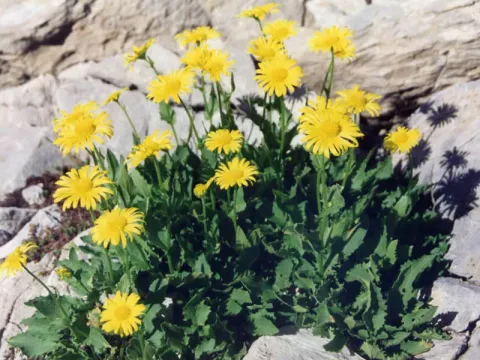
Doronicum grandiflorum
Doronicum grandiflorum
The sowing of Doronicum grandiflorum is best performed in the autumn, allowing the seeds to undergo natural stratification throughout the winter. This practice leads to more uniform germination rates and ensures robust seedling development once spring temperatures rise.
What the section contains
Doronicum grandiflorum
For greenhouse cultivation, seeds are sown in early spring in well-drained, sterile media. Maintaining consistent moisture and moderate temperatures (around 15-18°C) is essential for successful germination, ensuring that the substrate remains damp but not waterlogged.
Once seedlings achieve the stage of having two true leaves, they should be pricked out into individual pots. This transition helps the young plants build a stronger root structure before they are hardened off and eventually transplanted into their permanent outdoor locations.
Spacing is critical when establishing the crop, as each plant requires adequate airflow to prevent fungal diseases. A distance of approximately 30-40 centimeters between individual specimens is recommended to accommodate mature growth and facilitate easier maintenance.
Vegetative propagation via root division is an alternative method used by nursery professionals. This should be performed after the flowering period, ensuring that each division contains at least one healthy bud to promote vigorous regrowth in the next cycle.
Doronicum grandiflorum belongs to the Asteraceae family and is recognized as an alpine perennial. It thrives in cool, temperate climates and performs best in locations that receive partial shade, mimicking its natural mountainous habitat's conditions.
The ideal soil profile consists of rich, loamy, and well-drained earth with a slightly acidic to neutral pH. Improving soil structure with organic matter, such as leaf mold or well-rotted compost, significantly enhances the plant's nutrient uptake and water retention.
Consistent irrigation is necessary throughout the growing season, particularly during dry spells, to prevent the soil from drying out completely. However, care must be taken to avoid stagnant water, which can trigger crown rot and other soil-borne pathogens.
Regular fertilization with a balanced, slow-release fertilizer during the spring boost vegetative growth. Applying a potash-heavy fertilizer before the onset of flowering can increase both the size and longevity of the bright yellow daisy-like blooms.
Mulching the base of the plant with organic materials serves two purposes: it retains soil moisture and provides a protective thermal layer during winter months. This is particularly beneficial in regions prone to frost-heave or rapid temperature fluctuations.
Aphids and spider mites are the most common pests encountered when growing this species. These insects target the succulent foliage and buds, potentially causing distortion and weakening the plant if infestations are not addressed promptly with suitable insecticides.
Powdery mildew represents a primary fungal threat, especially in humid or stagnant air environments. Cultural practices like thinning out excessive foliage and ensuring proper spacing are the best preventative measures against the spread of this white fungal growth.
Root rot is a severe complication typically associated with poor drainage or overwatering. Maintaining the correct moisture balance is crucial, and if symptoms of decay appear, the plant should be lifted, the damaged roots trimmed, and replanted in fresher soil.
Nematodes may attack the root systems, leading to stunted development and yellowing leaves. To combat this, growers should ensure strict weed management and rotate planting areas if the soil shows signs of degradation or high pest density.
General hygiene, such as removing spent flowers and debris after the growing season, minimizes the buildup of overwintering pathogens. Keeping the planting area clean is a fundamental strategy for sustainable production and maintaining plant vigor over many years.