
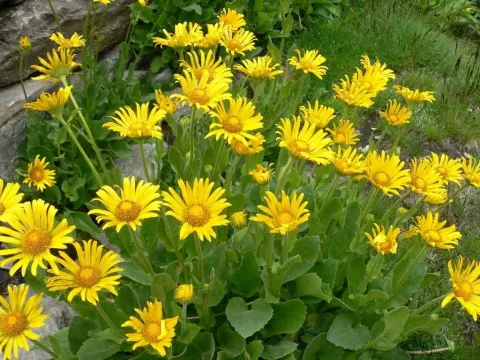
Doronicum hybrids
Doronicum hybrids
Propagation of Doronicum hybrids is predominantly achieved through vegetative methods, specifically division of the root clumps, ensuring the retention of hybrid traits.
What the section contains
Doronicum hybrids
The ideal time for dividing and transplanting is late summer or early autumn, once the plant has finished its blooming phase and entered a period of dormancy.
Seed propagation is less common as hybrid cultivars do not typically breed true to seed, which may result in a loss of specific decorative characteristics in the offspring.
If seeds are used, they should be sown either late in the autumn or early in the spring, often requiring a period of cold stratification to ensure uniform germination.
When planting, it is recommended to space the plants 30–40 centimeters apart to allow for proper airflow and root expansion as the plant matures in its location.
Belonging to the Asteraceae family, Doronicum hybrids are herbaceous perennials prized for their early spring display of vibrant, daisy-like yellow flowers.
These plants perform best in partial shade, though they can adapt to sunnier spots provided that the soil moisture is kept consistently high throughout the growing season.
The ideal growing medium is fertile, humus-rich, and well-drained soil; waterlogged conditions are highly detrimental and often lead to root rot in these species.
Regular watering is essential during dry spells, as the plant is sensitive to dehydration, which can cause its foliage to wilt and turn brown prematurely.
The hardiness of this culture is excellent, allowing it to withstand harsh winter conditions without the need for specialized winter protection in most temperate climates.
Fungal diseases, such as powdery mildew, represent the most significant threat to plant health, particularly in environments with poor air circulation and high humidity.
Pest pressure from aphids and spider mites can be observed during warmer months, as they feed on the underside of leaves, causing yellowing and stunted growth.
Slugs and snails can also pose a serious risk, especially to younger plants or during periods of prolonged rainfall, by causing mechanical damage to the foliage.
Integrated pest management, including sanitation and the use of targeted biological or chemical controls, is recommended to keep the plants in optimal condition.
- Periodic monitoring for early signs of infestation.
- Removal of dead or diseased foliage to reduce inoculum.
- Maintaining optimal soil drainage to prevent root zone pathogens.