
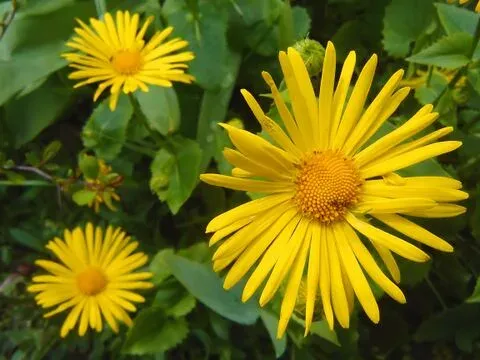
Doronicum hungaricum
Doronicum hungaricum
Doronicum hungaricum is a perennial herbaceous plant belonging to the Asteraceae family. In agricultural practices, sowing is typically performed in late autumn to allow for natural stratification of the seeds in the field.
What the section contains
Doronicum hungaricum
When spring sowing is preferred, seeds must undergo a cold stratification process for 4 to 6 weeks. This mimics winter conditions, which is crucial for breaking seed dormancy and ensuring uniform germination rates.
Seedlings are often grown in trays containing a peat-based sterile medium. Keeping the substrate consistently moist but not saturated is essential for the successful development of young, fragile root systems.
After the first set of true leaves develops, seedlings should be pricked out into larger containers or transplant trays. This practice promotes sturdier growth and prepares the plants for field conditions.
Transplanting into the permanent field site should occur after the final spring frost. Proper spacing, usually 30-40 cm apart, is recommended to ensure adequate air circulation and nutrient access for each plant.
This species performs best in semi-shaded locations where it is protected from harsh midday sun. While it can tolerate more sun in cooler northern regions, excessive heat often leads to early dormancy.
The soil should be fertile, well-draining, and rich in organic matter. Sandy loam or loam soils are ideal; they provide the necessary aeration while holding sufficient water for healthy plant growth.
Regular monitoring of moisture levels is required throughout the growing season. While the plant has some drought tolerance once established, consistent watering is needed for high-quality floral displays.
Adding organic compost during the early spring provides necessary nutrients for the vegetative phase. A balanced NPK fertilizer can be applied if soil testing indicates specific nutrient deficiencies.
Mulching around the base of the plants helps regulate soil temperature and suppresses weed growth. This maintenance practice significantly reduces the time spent on manual labor in the field.
Leaf nematodes and aphids are the most common pests that affect Doronicum hungaricum. Infestations should be managed using targeted insecticides to prevent leaf damage and the potential spread of viruses.
Powdery mildew and various root rot fungi are prevalent in areas with high humidity and poor airflow. Managing plant density and ensuring proper drainage are the most effective preventive measures.
Slugs and snails can consume young foliage, especially during damp spring weather. Implementing bait stations or biological controls is often necessary to minimize crop losses in high-density plantings.
Rust diseases may appear if plants are overcrowded or stressed. Regular inspections allow for the early removal of infected leaves, which helps to contain the pathogen and maintain plant vigor.
A proactive approach to integrated pest management is recommended for all agricultural operations. Using a combination of cultural practices and chemical interventions ensures the longevity of the plant beds.