
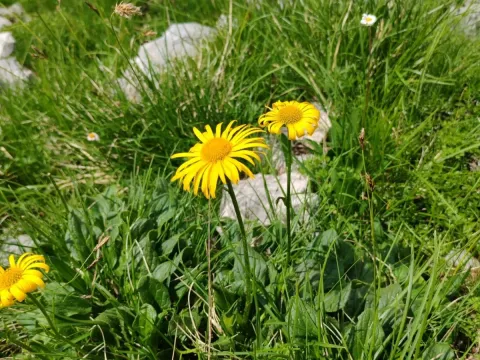
Doronicum glaciale
Doronicum glaciale
Doronicum glaciale is a perennial herbaceous plant belonging to the Asteraceae family. It is native to the high-altitude regions of the European Alps, where it typically grows in rocky screes and alpine meadows, showing high adaptation to cold climates.
What the section contains
Doronicum glaciale
This species thrives in cool, moist environments and requires well-drained, porous soil to prevent waterlogging. It is ideally suited for rock gardens where the substrate can mimic its natural stony habitat and provide necessary root aeration.
The plant features basal rosettes of leaves and produces yellow daisy-like flower heads. To ensure successful growth, it is essential to provide partial shade, especially during the hottest parts of the day, as intense heat can be detrimental to its physiology.
Soil requirements involve a neutral to slightly acidic pH level with a low concentration of nutrients. High organic matter content should be balanced with mineral components like coarse sand or fine gravel to ensure the plant's health.
Propagation is generally achieved through seeds that often require cold stratification, or by division of the rhizomes. Consistent moisture is needed throughout the growing season, but the soil must be allowed to dry slightly between waterings.
Root rot is the most significant threat to Doronicum glaciale, often caused by heavy or waterlogged soil conditions. Providing an efficient drainage system at the base of the planting site is the primary preventive measure against fungal pathogens.
Powdery mildew can affect the leaves during periods of stagnant, humid air. Proper spacing between plants and ensuring good airflow around the foliage are vital to reducing the risk of fungal infections throughout the growing season.
Gastropods, particularly slugs and snails, represent a major pest risk for this species. They feed on the succulent leaves, and their presence can rapidly lead to the destruction of the plant's aesthetic and structural integrity.
Aphids can also be problematic, especially in sheltered spots where they gather on the flower buds. Regular monitoring and, if necessary, the application of gentle horticultural soaps are recommended to manage these insect populations effectively.
Maintaining a clean cultivation area free from leaf debris helps in reducing the habitat for both pests and fungal spores. Proactive management is essential for this sensitive alpine species to thrive over multiple years.