
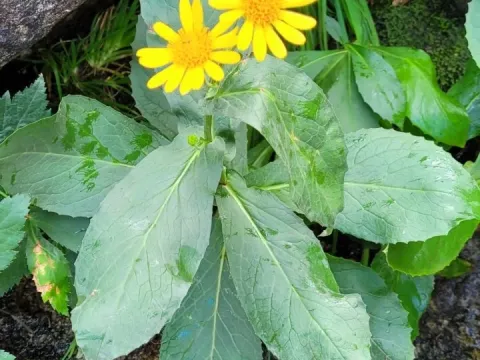
Doronicum corsicum
Doronicum corsicum
Doronicum corsicum is a perennial herbaceous plant belonging to the Asteraceae family. Known for its vibrant yellow blooms, it is a popular choice for borders and shaded garden areas.
What the section contains
Doronicum corsicum
Propagation is typically performed via seed sowing in the autumn, allowing the seeds to undergo a natural period of cold stratification over the winter months for better germination.
For container-grown starts, seeds should be sown in early spring, using a well-draining potting medium and maintaining a cool, consistent environment to encourage steady growth.
Transplanting seedlings to their final location is best done in late spring once the threat of frost has passed, ensuring the plants have ample space for root expansion.
Dividing the rhizomes is another effective method, ideally carried out in late summer or early autumn to ensure the plants establish themselves before the onset of the next growing season.
The plant thrives in partial shade, as excessive direct sunlight during the hottest part of the day can lead to rapid wilting and shortened flowering duration.
Soil quality is paramount; it should be nutrient-rich, humus-heavy, and possess excellent drainage capabilities to prevent root rot in wet conditions.
Regular irrigation is required, especially during the active growth and flowering phases, as the plant does not tolerate prolonged periods of drought well.
A neutral to slightly acidic pH range is considered ideal for nutrient uptake, and regular organic mulch application helps maintain consistent soil moisture levels.
In terms of climate, it is highly hardy, though protecting the crown with a light covering in extreme winter conditions can prevent potential cold-related injury.
Aphids are common pests that tend to cluster on developing flower buds and fresh foliage, weakening the plant by extracting sap and potentially transmitting viral diseases.
Powdery mildew, a fungal condition manifesting as a white, powdery layer on leaves, can occur when air circulation is insufficient or humidity levels remain high for extended periods.
Root nematodes pose a significant hidden threat, often stunting growth and leading to a gradual decline in the overall vigor and blooming performance of the plant.
Slugs and snails are particularly problematic for young, tender leaves, often leaving significant damage that can ruin the plant's aesthetic appeal.
Effective management includes maintaining clean growing areas, avoiding overhead irrigation to keep leaves dry, and applying targeted treatments at the first sign of infestation.