
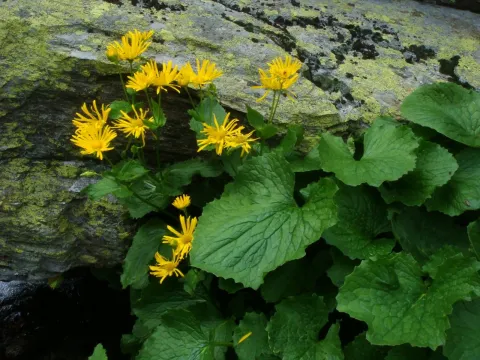
Doronicum cataractarum
Doronicum cataractarum
Doronicum cataractarum is a rare perennial herbaceous plant belonging to the Asteraceae family. Naturally, it is found in specialized rocky mountain environments, typically associated with the humid zones surrounding waterfalls and streams in Southeastern Europe.
What the section contains
Doronicum cataractarum
This species requires high humidity levels and thrives in cool, shaded locations. Unlike more common garden varieties, it is highly sensitive to heat and direct sunlight, which can lead to rapid wilting and damage to its delicate foliage if not properly managed.
The ideal soil for this culture is loose, nutrient-rich, and well-draining, yet capable of retaining moisture at the root level. Incorporating organic matter into the planting site helps mimic the native habitats found in high-altitude moist ravines.
Agrotechnical requirements prioritize consistent soil hydration without waterlogging. Good drainage is essential, as the roots are prone to rotting in stagnant water, despite the plant's natural preference for a moist environment.
In terms of temperature, the plant prefers cool temperate conditions. During the peak of summer, it is necessary to provide protection from extreme heat, utilizing organic mulch to keep the root zone cool and hydrated throughout the season.
Aphids are the most frequent pests associated with Doronicum species, often congregating on the stems and undersides of leaves. Regular monitoring and the application of mild insecticidal soaps are recommended to keep populations in check without harming the plant.
Powdery mildew is a significant threat when air circulation is poor, particularly in damp or humid weather. Preventive measures include proper spacing between plants and avoiding overhead irrigation, which keeps the foliage dry and healthy.
Slugs and snails can cause severe damage to the foliage, especially in young plants. Installing physical barriers or using pet-safe slug pellets around the plant base is effective in preventing widespread leaf destruction throughout the growing season.
Root rot is common if the soil is too heavy or drainage is inadequate. This condition is often fatal, emphasizing the need for a well-structured growing medium that allows oxygen to reach the roots while maintaining necessary humidity.
Leaf rust can occur during extended rainy periods, manifesting as brownish spots on the leaves. To manage this infection, gardeners should remove and dispose of the affected leaves promptly and improve the ventilation of the growing area to discourage further fungal growth.