
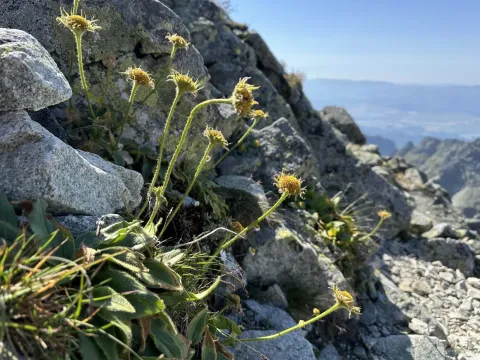
Doronicum clusii
Doronicum clusii
Propagation of Doronicum clusii is primarily achieved through the division of rhizomes, which is the most reliable method for maintaining the unique characteristics of this alpine species. This operation should ideally take place in early spring or immediately after the flowering season ends.
What the section contains
Doronicum clusii
Seed propagation requires fresh seeds, which should be sown before winter in open ground or cold frames to ensure they undergo the necessary natural stratification process. This exposure to cold is essential for stimulating germination in the spring.
When starting seeds in containers, they should be surface-sown on a light, well-draining substrate, barely covered with a thin layer of grit. Keeping the seed tray in a cool, well-lit environment helps to achieve successful seedling emergence.
Once seedlings have developed two sets of true leaves, they should be pricked out into individual pots. Providing sufficient space for the root system to establish is critical for the long-term success of these plants before they are eventually transplanted into their permanent garden location.
Due to the plant's preference for undisturbed soil, careful site selection is important as it tends to perform best when left in the same location for multiple growing seasons.
Doronicum clusii belongs to the Asteraceae family and is recognized as a typical mountain plant adapted to cool, alpine environments. Understanding its natural habitat is crucial for successful cultivation in domestic gardens.
The soil requirements focus on fertility and drainage; the plant thrives in loamy, nutrient-rich soils with a neutral pH. Improving heavy soils with added organic matter and coarse sand is highly recommended to prevent waterlogging, which the plant does not tolerate.
Climatic preferences include cool temperatures and protection from intense mid-summer heat. Partial shade is generally the best environment for this species, as it provides shelter from scorching afternoon sun while allowing sufficient indirect light for growth.
Adequate soil moisture is necessary, particularly during the blooming stage, but irrigation management is key to avoiding root suffocation. Regular mulching with compost can assist in maintaining soil moisture levels while also protecting roots from extreme temperature fluctuations.
Winter hardiness is one of the species' strong traits, allowing it to withstand freezing temperatures provided that the soil drainage is sufficient to prevent ice buildup around the root crown.
The primary threats to this culture are fungal diseases, particularly powdery mildew and various forms of root rot, which typically occur when air circulation is poor and humidity levels remain excessively high.
Management of these diseases involves the application of appropriate fungicides and strict sanitation practices, such as removing any decaying plant material promptly. Ensuring proper spacing between plants is essential to promote airflow and decrease disease pressure.
Pest issues often include aphids and spider mites, which are more prevalent in drier, warmer periods. Regular monitoring and the use of insecticidal soaps or biological control agents can keep these populations at manageable levels.
Gastropods, including slugs and snails, represent a constant threat to the young leaves and shoots of the plant. Utilizing physical barriers such as crushed eggshells or specialized traps can prevent significant damage during the early growth stages.
Overall, maintaining plant health through optimal nutrition and balanced watering remains the most effective defense strategy against the various biotic threats that can affect this alpine flower.