
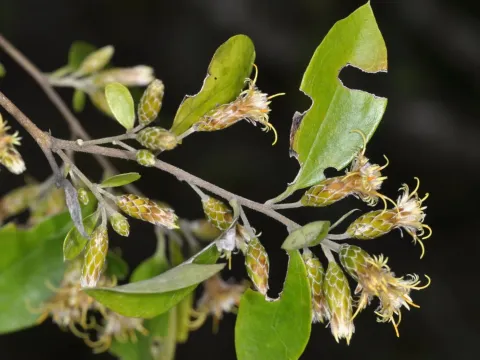
Dasyphyllum
Dasyphyllum
Dasyphyllum is a genus of shrubs and trees belonging to the Asteraceae family. Unlike many herbaceous members of this family, Dasyphyllum species exhibit woody structures, making them distinct and valuable for specific landscapes.
What the section contains


Dasyphyllum
Originating from South America, these plants are primarily found in countries such as Brazil, Argentina, and Chile. They thrive in diverse ecological conditions, ranging from subtropical forests to arid slopes, showcasing high adaptability.
The botanical structure of Dasyphyllum is characterized by specialized spines derived from stipules, acting as a natural defense system. Their leaves are often thick and leathery, an evolutionary trait to survive in fluctuating moisture conditions.
Cultivation success depends heavily on soil composition, which must be well-draining to prevent root rot. These plants prefer bright, full sun exposure to maintain their compact growth habit and vibrant flowering cycles.
Agrotechnical management includes moderate fertilization during the spring and early summer. As a drought-tolerant genus, they require consistent but not excessive water, ensuring the soil dries out slightly between irrigation cycles.
The most common disease impacting Dasyphyllum is root rot, typically caused by waterlogged soil conditions. Proper irrigation management is essential to ensure the longevity of the plant in any agricultural setting.
Pests such as aphids and scale insects are frequent visitors that can damage the plant by feeding on its sap. Regular monitoring of the underside of the leaves is advised to catch infestations in their early stages.
Fungal infections can appear during periods of high humidity, leading to leaf spots or powdery mildew. Improving air circulation around the plants is an effective organic control method.
Environmental stressors, such as unexpected cold snaps, can cause leaf drop or limb damage. Protecting young plants with appropriate mulch or coverings is recommended in less stable climates.
Effective plant health depends on routine maintenance, including the removal of dead wood and damaged foliage. Maintaining a clean surrounding area minimizes the risk of attracting secondary pests or pathogens.