
Cyrtocymura
Cyrtocymura
Cyrtocymura is a genus of perennial herbaceous plants belonging to the Asteraceae family. Previously included within the genus Vernonia, these plants have been taxonomically reassigned to their own genus based on morphological and molecular studies. They are native to the tropical and subtropical regions of the Americas, thriving in diverse environmental conditions.
What the section contains

Cyrtocymura
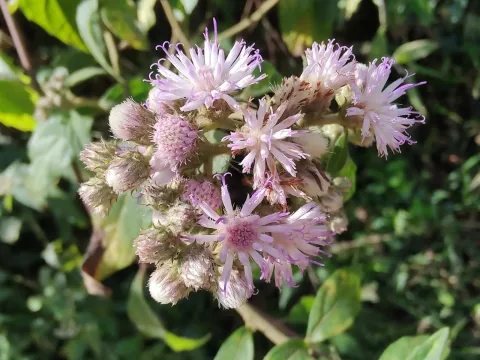
Botanically, Cyrtocymura species are characterized by their erect stems and alternate, often pubescent leaves. The inflorescence consists of numerous flower heads arranged in complex corymbs or panicles, typical of the Vernonieae tribe. The flowers are generally purple or lavender, providing a striking visual appeal when the plant is in full bloom.
Regarding soil and site requirements, this culture prefers well-drained, nutrient-rich soil with a slightly acidic to neutral pH level. It thrives in locations that receive full to partial sunlight, though it is essential to ensure that the site is protected from harsh winds. Consistent moisture is required, but it is vital to avoid waterlogged conditions which can inhibit root respiration.
The climate requirements for Cyrtocymura reflect its tropical origin, necessitating warm temperatures during the growing season. It performs best in conditions where daytime temperatures remain between 20°C and 26°C. While the plant can adapt to various conditions, it is not cold-hardy and should be protected from frost in temperate cultivation zones.
The primary use of Cyrtocymura is in ornamental horticulture. Its distinctive growth habit and vibrant flowers make it an excellent choice for garden borders, landscape architecture, and naturalistic planting designs. Beyond its aesthetic value, ongoing research explores the chemical profile of the plant for potential medicinal applications, consistent with other members of the Asteraceae family.
Fungal diseases represent the most significant threat to the health of Cyrtocymura, particularly powdery mildew and various leaf spot pathogens. These conditions are usually exacerbated by poor air circulation and excessive humidity. To mitigate these risks, growers should ensure adequate spacing between plants and avoid overhead watering that keeps the foliage consistently wet.
Insect pests, including aphids, whiteflies, and spider mites, are common nuisances that can weaken the plant by feeding on sap. Effective management strategies include early detection, the use of insecticidal soaps, or, in severe infestations, the application of appropriate systemic pesticides. Maintaining plant vigor through balanced fertilization also helps the plant naturally resist pest pressure.