
Dark chrysanthemum
Chrysanthemum fuscatum
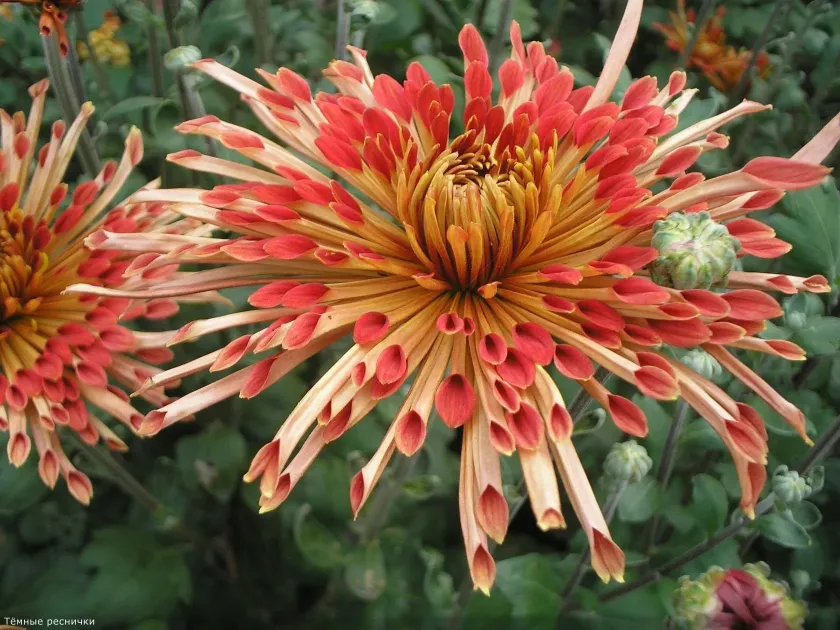
Description
Sowing dates
The sowing process for Chrysanthemum fuscatum begins in the spring once the threat of late-season frosts has completely passed.
Seeds are best started indoors in trays filled with a sterile, well-draining seed starting mix to ensure optimal germination rates.
Since the seeds are fine, they should be pressed lightly into the surface of the soil rather than being buried deep underground.
Providing a stable environment with temperatures around 20 degrees Celsius encourages uniform seedling development and early growth.
Transplanting into the permanent garden beds should be done carefully to protect the delicate root systems of the young plants.
Growing requirements
As a member of the Asteraceae family, the dark chrysanthemum thrives in full sun exposure, requiring at least six hours of light daily.
The soil should be rich in organic matter, slightly acidic or neutral, and possess excellent drainage to prevent root-related ailments.
Consistent moisture is key during the establishment phase, but the soil surface should be allowed to dry slightly between watering cycles.
Regular feeding with a balanced liquid fertilizer during the growing season supports lush foliage and the development of numerous blooms.
Adequate spacing between plants is essential to promote good airflow, which is a critical factor in preventing common fungal diseases.
Main diseases and pests
Aphids are the most common pests that congregate on the succulent stems and developing buds, often requiring prompt intervention.
Powdery mildew can manifest as a dusty white coating on leaves if the plants are subjected to high humidity and poor air circulation.
Slugs and snails may feed on the young foliage during damp spring weather, necessitating manual removal or organic pest control methods.
Root rot, often caused by overwatering or compacted soils, is a serious threat that can lead to sudden plant decline and death.
Maintaining a clean garden bed by removing debris and weeds helps minimize the habitat available for these garden pests and pathogens.
Harvesting
Harvesting the blooms is best done in the early morning when the moisture content in the plant stems is at its absolute peak.
Using a sharp, sanitized knife or shears ensures a clean cut, preventing damage to the plant and allowing for efficient water uptake.
For ornamental purposes, harvesting occurs when the flower heads are about three-quarters open to ensure maximum longevity in arrangements.
If seeds are intended for collection, the flower heads should remain on the stalk until they are fully dry and turn brittle.
After collecting the seeds, store them in airtight containers in a cool, dark place to maintain their viability for future planting.