


Reference · Crops
Daisy
Bellis L.
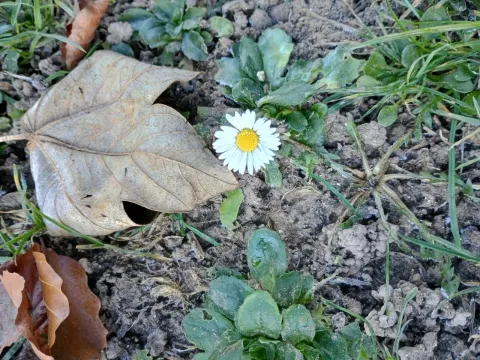
Daisy (Bellis L.) is a genus of herbaceous plants belonging to the Asteraceae family. Known for its charming appearance and resilience, it is widely cultivated both for ornamental purposes and as part of landscape restoration projects.
1
items
What the section contains
Marketplace
Products in this section · 2

Daisy
Propagation is typically carried out via seeds. Sowing in a greenhouse starts in late winter or early spring to ensure seedlings are ready for transplanting as soon as the frost risk passes, ensuring a long blooming season.
The seeds of Bellis are tiny and require light for germination; therefore, they should not be buried deeply in the soil. A light dusting of vermiculite or fine soil is sufficient to maintain moisture while allowing exposure to light.
Transplanting (pricking out) should occur when the seedlings have developed their first set of true leaves. This procedure encourages root development, which is essential for the plant's ability to withstand field conditions.
When sowing directly into the ground, the timing should be carefully chosen to avoid the hottest parts of the summer. Early autumn is also a suitable time for sowing in milder climates, allowing plants to establish themselves before winter.
Daisies thrive in full sun to partial shade. While they can tolerate lower light levels, maximum flowering potential is reached when plants are provided with at least 6 hours of direct sunlight per day.
Soil quality is paramount. A fertile, well-draining loam is ideal for Bellis species. They struggle in heavy clay soils that retain excessive moisture, which often leads to root rot in the cooler months.
Proper water management is essential. Daisies need consistent moisture to maintain their vigor, especially during dry spells. However, avoiding surface water pooling is crucial to prevent the development of bacterial and fungal issues.
Nutrient supply should be moderate. Over-fertilization, particularly with nitrogen, can lead to excessive foliage growth at the expense of floral production. A balanced, slow-release fertilizer applied in early spring is usually sufficient.
Regular maintenance, such as deadheading, is highly recommended. This practice not only keeps the plants looking tidy but also diverts the plant's energy into producing new flower buds, thereby extending the blooming period.
Powdery mildew represents a significant threat in humid environments with poor air circulation. It manifests as a white, dusty layer on the leaves, which inhibits photosynthesis and weakens the plant.
Gray mold (Botrytis cinerea) can be detrimental during rainy periods. It thrives on decaying organic matter and can spread to healthy tissue, causing the flowers and stems to collapse into a soft rot.
Slugs and snails are major pests for young daisies, as they consume the soft leaf tissues overnight. Integrated pest management strategies, such as mechanical barriers or traps, are preferred over broad-spectrum chemicals.
Aphid infestations can occur during periods of rapid growth. These sap-sucking insects can stunt the development of flower heads and serve as vectors for various viral diseases common in the Asteraceae family.
- Ensure proper spacing to allow for good airflow.
- Practice crop rotation to prevent soil-borne pathogens.
- Regular inspection for early signs of pest damage.