
Dasyphyllum spinescens
Dasyphyllum spinescens
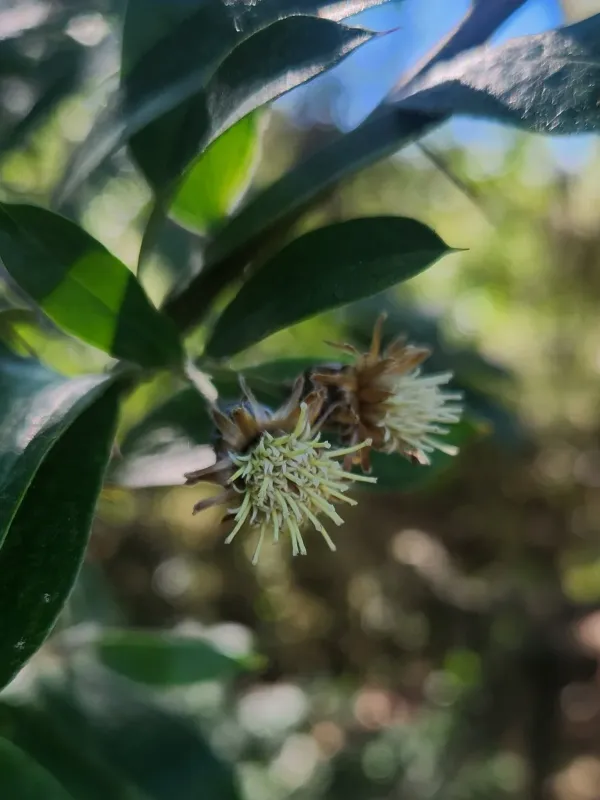
Description
Growing requirements
Dasyphyllum spinescens is a perennial shrub belonging to the Asteraceae family. Originating from South American ecosystems, it has evolved as a highly resilient species adapted to arid and semi-arid environments.
The plant is botanically distinguished by its sharp, modified stipules which serve as protective thorns against herbivores. Its foliage consists of sclerophyllous leaves designed to minimize transpiration during extreme heat.
For successful cultivation, the species requires well-drained, sandy, or rocky soil substrates. It is extremely sensitive to waterlogging, as excessive moisture in the root zone quickly leads to physiological decline and fungal attacks.
The crop thrives in full sun exposure and demands high light intensity to maintain its characteristic structure and density. It is well-suited for regions with significant seasonal drought, requiring minimal irrigation once the root system is established.
Agricultural and horticultural applications focus on its use as a xerophytic hedge or windbreak, helping to prevent soil erosion in challenging landscapes. Additionally, it serves as a valuable resource for local pollinators during the flowering season.
Main diseases and pests
Root rot pathogens are the primary threat, often resulting from improper soil drainage or excessive irrigation practices. Ensuring aeration and preventing standing water are critical steps in crop management.
Insect pests, including aphids and occasional spider mite infestations, may affect the plant during stressful periods. Regular monitoring and maintaining appropriate humidity levels are standard practices for managing these threats in controlled environments.