
Dendrophorbium
Dendrophorbium
Dendrophorbium is a genus of perennial plants belonging to the Asteraceae family. Historically native to the mountainous regions of South America, these plants have adapted to unique high-altitude environments, making them distinctive subjects for botanical study and cultivation.
What the section contains


Dendrophorbium
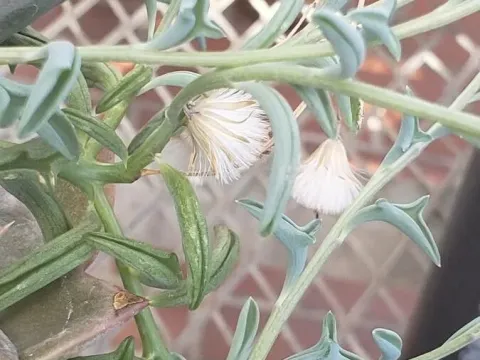
Botanically, the plant presents as a shrub or subshrub, often exhibiting woody stems and specialized foliage. Many species within this genus have developed morphological adaptations, such as dense pubescence, to survive in harsh, windy, and high-sunlight mountain conditions.
Successful cultivation of Dendrophorbium requires well-drained, nutrient-rich soil. The plant is particularly sensitive to waterlogging, which can lead to rapid root decline. Therefore, site selection should prioritize slopes or well-engineered drainage systems.
In terms of climate, the plant prefers moderate temperature ranges. It is well-adapted to the cool nights of high altitudes but can struggle in environments with extreme, prolonged heat or high humidity, which can stress the plant's natural metabolic processes.
The primary economic use of Dendrophorbium is ornamental. It is highly valued in landscape architecture for its architectural structure and long-blooming capacity, making it a sought-after addition for rock gardens and specialized xeriscaping projects.
Powdery mildew is a common fungal threat to Dendrophorbium, particularly in environments with poor air circulation or high humidity levels. Management involves thinning out plants to ensure sufficient space and airflow around the foliage.
Root rot, driven by excessive soil moisture, remains the most critical health risk for this genus. Prevention strategies must include meticulous control over irrigation schedules and the use of substrates that promote aeration and water drainage.
Aphids and spider mites are the most frequent insect pests. These pests can cause significant damage to the plant's vegetative growth by extracting sap, which weakens the plant and diminishes its overall aesthetic value in a garden setting.
Control of these pests is best managed through an integrated pest management approach, utilizing systematic insecticide applications or biological controls when appropriate. Early detection through regular monitoring is key to keeping plant populations healthy.
Fertilization with balanced mineral supplements helps maintain plant vigor. By providing adequate phosphorus and potassium, growers can enhance the plant's internal resistance to seasonal environmental stresses and reduce the impact of potential pathogen attacks.