
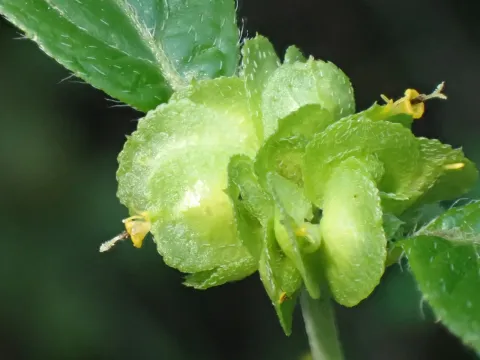
Delilia
Delilia
Delilia is a genus of herbaceous plants belonging to the Asteraceae family. In an agricultural context, this plant is recognized as a rare crop, often studied for its botanical characteristics and potential for adaptation to specific environmental conditions.
What the section contains

Delilia
The native distribution of this genus is focused in the tropical regions of South America. It thrives in environments where seasonal temperatures are relatively stable, allowing the plant to complete its life cycle as an annual herb within a defined period.
Botanically, Delilia is characterized by a branched stem structure and alternate leaves, which are typical traits of the Asteraceae family. The root system is primarily fibrous to taproot-based, designed to efficiently acquire nutrients in porous, well-drained soils.
The crop demands a climate with moderate humidity and high light intensity. It is particularly sensitive to soil compaction, which can impede root respiration and water absorption, leading to stunted growth during the critical early development stages.
Soil requirements involve a balanced nutritional profile with high availability of essential macro-elements. Farmers focusing on this genus should ensure that the land is well-prepared, minimizing acidity and maintaining a balanced pH level for optimal development.
The most significant threats to Delilia include pathogens that cause damping-off and leaf spot diseases. These are often triggered by improper irrigation management and high humidity levels around the foliage, necessitating proper spacing for airflow.
Insect pests such as spider mites and aphids are the most common threats to plant health. Integrated pest management strategies are advised to protect the crop, focusing on early detection and the use of ecological monitoring methods.