
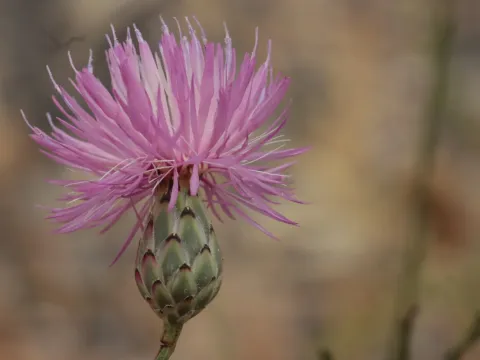
Mantisalca
Mantisalca
Mantisalca is a genus of flowering plants belonging to the Asteraceae family. When cultivated, seeds are typically sown in early spring, once the soil has warmed up sufficiently to support germination and early root development.
What the section contains

Mantisalca
The preparation of the seedbed is crucial for this crop. The soil should be finely tilled and leveled to ensure uniform depth of sowing, which is usually around 2–3 centimeters, promoting consistent seedling emergence.
Row spacing should be maintained to allow for adequate airflow and mechanical maintenance. Proper spacing prevents the crowding of plants, which is essential to reduce the risk of humidity-related diseases during the vegetative stage.
Seeds of Mantisalca may require specific soil temperature conditions. Farmers are advised to wait until the frost risk has passed, as the plant thrives best during the warming period of the agricultural season.
Water management immediately after sowing is vital. While the plant is drought-tolerant once established, the germination phase requires consistent soil moisture to ensure the seeds are not dehydrated before sprouting.
This crop is highly heliophilic, meaning it requires full sun exposure to reach its maximum growth potential. Shaded environments are detrimental to the development of its stems and reproductive organs.
Mantisalca is well-adapted to well-drained, sandy, or loam soils. It demonstrates a notable aversion to heavy, waterlogged soils where roots lack sufficient oxygen and are susceptible to various fungal decay processes.
Regarding climate, the plant exhibits excellent resistance to dry weather. It originates from regions with Mediterranean-like patterns, making it suitable for areas characterized by dry summers and temperate springs.
The plant has moderate nutrient requirements. It is generally successful in soils with a balanced nutrient profile. Excessive nitrogen fertilization should be avoided as it may lead to vegetative overgrowth at the expense of floral development.
Soil pH should ideally be neutral to slightly alkaline. Monitoring the pH levels and applying lime if the soil becomes too acidic can significantly improve the nutrient uptake efficiency of the plant.
Fungal infections, particularly those caused by high humidity, are the primary disease threats to Mantisalca. Powdery mildew can affect foliage if air circulation around the plants is inadequate.
Aphids are the most frequent insect pests. These pests feed on the sap of young stems, which can weaken the plant and lead to stunted growth. Regular inspection is necessary to catch infestations early.
Good agricultural practices such as crop rotation and weed control are essential for prevention. Keeping the surrounding area free of weeds reduces the reservoirs for both pests and pathogens.
Root rot is a major threat during periods of excessive rainfall or poor field drainage. Ensuring the field has proper slope and water management systems is a key protective measure.
Integrated pest management strategies should be prioritized, utilizing biological controls before considering chemical interventions. This ensures the health of the surrounding ecosystem and maintains the quality of the crop.