
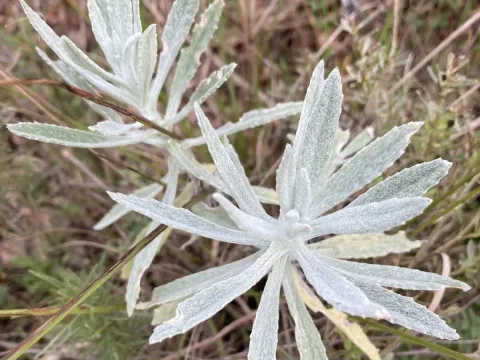
Ragwort Senecio heterotrichius
Senecio heterotrichius
Senecio heterotrichius is a perennial herbaceous plant belonging to the large Asteraceae family. It is typically adapted to temperate climates, thriving in open spaces where high solar radiation is available throughout the growing season.
What the section contains
Ragwort Senecio heterotrichius
The plant exhibits distinct botanical features, primarily its dense hairiness (trichomes), which serves as a protective mechanism against evaporation and extreme weather conditions. This makes it highly resilient in arid or rocky environments where other species struggle to survive.
Regarding soil requirements, the species prefers well-drained, porous soils. It is notably tolerant of nutrient-poor substrates, allowing it to colonize disturbed areas, roadsides, and meadows with low agricultural maintenance.
Its life cycle involves a rosette stage followed by the development of flowering stems. The root system is deep and efficient, providing the plant with stability and the ability to access deep-seated groundwater in harsh conditions.
From an agricultural standpoint, it acts as a persistent competitor. Its presence in pastures can reduce the overall yield of forage crops, necessitating regular monitoring and management to maintain field productivity.
The primary concern regarding Senecio heterotrichius is its toxicity to livestock. The alkaloids found in the plant tissues can cause severe liver damage in animals that consume the foliage, either fresh or contaminated in hay.
Typical pests affecting this species include various insect larvae that feed on leaves and stems. These pests can cause significant defoliation, although they rarely eradicate the population due to the plant's robust regenerative capacity.
Fungal diseases like rust or powdery mildew are common threats, especially during humid seasons. These diseases weaken the plant structure and can lead to secondary infections if left unchecked.
Harvest management involves manual or mechanical removal before the flowering phase. Preventing seed dispersal is the most effective strategy to stop the expansion of this plant within agricultural fields.
If chemical control is required, systemic herbicides applied at the early rosette stage prove most effective. Rotating crops and maintaining vigorous grass cover in pastures are also essential preventive measures.