
Pyrrocoma
Pyrrocoma
Pyrrocoma is a genus of perennial herbaceous plants belonging to the Asteraceae family. Native to western North America, these plants are well-adapted to diverse environments, ranging from alpine meadows to arid grasslands, exhibiting remarkable resilience in extreme conditions.
What the section contains
Pyrrocoma
While not a traditional industrial crop, Pyrrocoma is of significant interest in ecological restoration and sustainable landscaping. Its ability to thrive in challenging environments makes it a potential candidate for stabilizing soils in disturbed areas where other agricultural species struggle to survive.
The cultivation requirements focus primarily on light exposure and soil aeration. Pyrrocoma species are heliophilous, meaning they require full sun for optimal photosynthesis and flower production; any degree of shade tends to weaken the plant and reduce its natural hardiness.
Regarding soil, the genus prefers well-draining substrates, such as sandy or rocky soils, which mimic their natural mountain and prairie habitats. They are generally tolerant of alkaline and saline soil conditions, though they must be protected from prolonged moisture saturation, which leads to root rot.
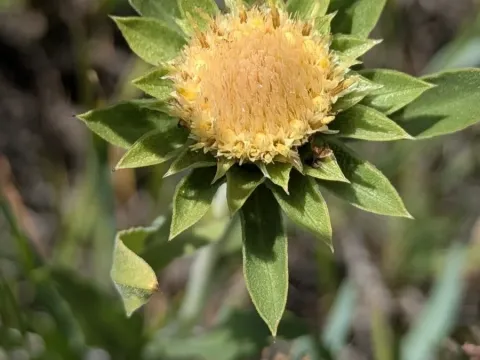
Botanically, the plant is characterized by a sturdy taproot system, which serves as a vital survival mechanism in arid environments. The foliage is typically arranged in basal rosettes, with upright stems supporting bright yellow inflorescences, making it both a robust survivalist plant and an aesthetically appealing species.