
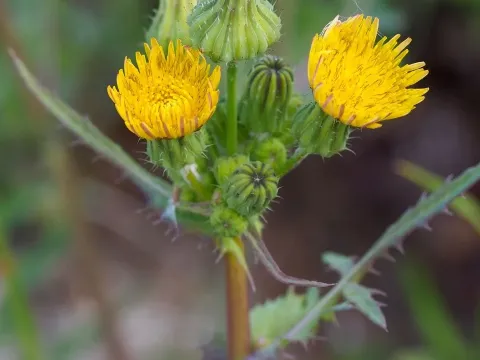
Crepis nicaeensis
Crepis nicaeensis
Crepis nicaeensis follows a lifecycle that is closely integrated with the sowing schedules of winter and spring cereal crops, often emerging alongside them.
What the section contains
Crepis nicaeensis
Seeds of this plant typically germinate in autumn or early spring, allowing the plant to establish a rosette before the crop reaches peak growth.
The speed of development in spring is a critical factor, as it allows the weed to compete effectively with young crops for essential sunlight and space.
Flowering usually occurs in late spring, which poses a significant threat to the nutrient uptake of cereals during their reproductive development phases.
Proper timing of field cultivation and sowing is essential to disrupt the emergence cycle of this opportunistic species.
As a member of the Asteraceae family, the Nicaean Hawksbeard exhibits a remarkable ability to thrive in various soil types and environmental conditions.
The plant demonstrates a strong preference for nitrogen-rich, fertile soils, which explains its frequent presence in highly productive agricultural zones.
Sunlight is the primary limiting factor for this species; therefore, high-density crop canopies significantly suppress its growth and overall vigor.
It is moderately tolerant to variations in moisture, but it performs best in well-drained soils with a balanced mineral content throughout the season.
Agrotechnical practices such as crop rotation and inter-row cultivation are highly effective in managing the density of this plant in commercial fields.
The main agricultural impact of Crepis nicaeensis involves resource competition, which can lead to significant yield reductions if left unmanaged.
This weed can serve as a biological reservoir for various viral diseases that are harmful to vegetable and cereal crop varieties, necessitating its control.
Insects like aphids can colonize the flowering stems, acting as vectors for plant viruses or directly reducing the vitality of the weed and nearby crops.
Mechanical control and the use of selective herbicides are the standard practices for reducing the presence of this weed in agricultural settings.
Root system competition is particularly aggressive, as the plant can quickly draw moisture from the rhizosphere, stressing the primary cultivated species.
The presence of Crepis nicaeensis at harvest time can complicate operations by increasing the moisture content and debris in the harvested grain mass.
Late-maturing individuals may contribute to the seed bank in the soil, which necessitates post-harvest tillage to prevent widespread dispersal of seeds.
Clean harvesting equipment and weed management during the growing season help minimize the contamination of the seed crop with weed seeds.
Producers should prioritize the timely destruction of the plant before seed maturation to ensure the longevity of the soil's agricultural productivity.
Effective management throughout the season ensures that the harvested product meets high standards of quality and purity for storage and processing.