
Crepis reuteriana
Crepis reuteriana
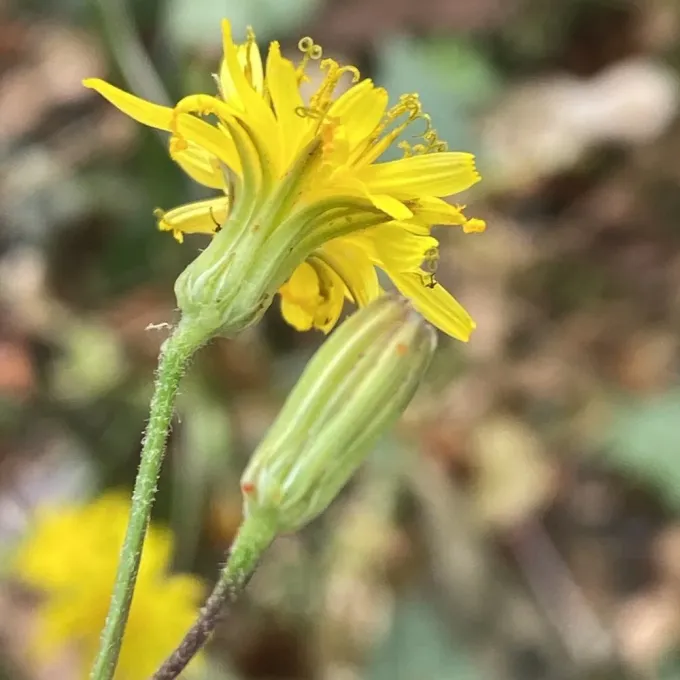
Description
Growing requirements
Crepis reuteriana is a herbaceous annual plant belonging to the Asteraceae family. It is characterized by its typical dandelion-like growth habit, featuring a taproot system and a branched flowering stem that reaches moderate heights depending on the environmental conditions.
The origin of this species is linked to the Mediterranean basin, where it thrives in open, sun-drenched habitats. It is well-adapted to environments with prolonged dry spells, reflecting the climatic characteristics of its native range throughout the Middle East and surrounding regions.
Botanically, the plant is distinguished by a basal rosette of leaves that can be entire or pinnately lobed. The presence of fine hairs (pubescence) on the foliage serves as an adaptive mechanism to reduce transpiration and prevent water loss in arid, hot climates.
Regarding soil requirements, Crepis reuteriana performs best in well-drained, porous soils, including sandy or gravelly types. It is intolerant of waterlogged conditions, requiring a soil structure that facilitates quick moisture runoff to maintain healthy root development.
In terms of economic use, the species is not cultivated for large-scale agricultural production. It is primarily utilized in scientific contexts, preserved in botanical collections, or studied for its genetic potential in hybridization programs aimed at improving hardiness in related Asteraceae species.