
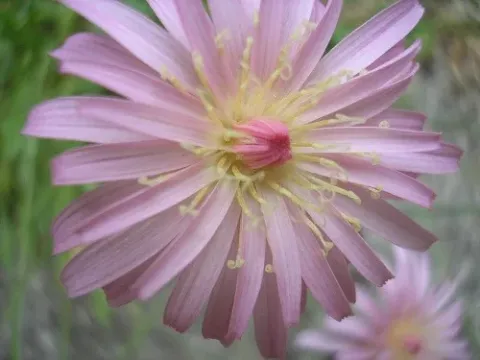
Crepis incana
Crepis incana
Crepis incana, commonly known as woolly hawksbeard, is a perennial herbaceous plant belonging to the Asteraceae family. In horticultural practice, seeds are typically sown in spring, either in containers under protection or directly into prepared ground once temperatures reach at least 15 degrees Celsius.
What the section contains
Crepis incana
The seeds require light to germinate, so they should be sown on the surface of the soil and covered only very lightly with grit or fine substrate. Maintaining constant moisture during the germination period is essential for successful establishment.
When starting seedlings indoors, they should be pricked out into individual pots once they develop true leaves. This promotes a strong taproot, which is vital for the plant's future resilience in the garden environment.
Spacing should be approximately 30 centimeters apart to allow for proper air circulation around the silvery foliage rosette. Overcrowding can lead to increased humidity and subsequent health problems.
The best time to transplant seedlings into the garden is after the last frosts have passed. This ensures that the young plants have a full growing season to adapt to the new environment before winter sets in.
Originating from the mountainous regions of Greece, this plant thrives in rocky, well-draining soils. Crepis incana is perfectly adapted to poor soil conditions where most other plants would struggle to survive.
Full sun is an absolute requirement for this species. It is crucial for maintaining its characteristic silvery foliage and promoting the production of its attractive, pink, dandelion-like flowers during the summer months.
Watering needs are low to moderate. The plant is drought-tolerant, so it should only be watered during extended dry spells, always ensuring that the water is applied at the base to keep the leaves dry.
The soil should have a neutral to slightly alkaline pH. Adding grit or drainage material is highly recommended during the initial planting phase to prevent any moisture buildup near the crown.
It is winter hardy in zones 5 to 8, provided that the soil is kept relatively dry. Excessive moisture during the dormant winter period is the primary factor that limits the plant's longevity.
Fungal pathogens are the most significant threats to Crepis incana. Powdery mildew can occur if the plant is grown in areas with poor ventilation or high humidity levels during the peak of the season.
Root rot is the most devastating condition, usually triggered by waterlogged soil. Once the taproot is affected, the plant rarely recovers, highlighting the importance of proper soil preparation from the start.
Pests such as aphids and spider mites can occasionally affect the plant during hot, dry summer months. These insects suck sap from the leaves, weakening the overall vigor and aesthetic appeal of the plant.
Slugs and snails may attack young shoots in the spring. Barrier methods, such as surrounding the plants with sharp grit or gravel, are often sufficient to prevent damage without chemical interventions.
General maintenance to prevent these threats involves keeping the site clean, ensuring proper drainage, and monitoring the plants for any early signs of infestation or fungal growth during warm periods.