
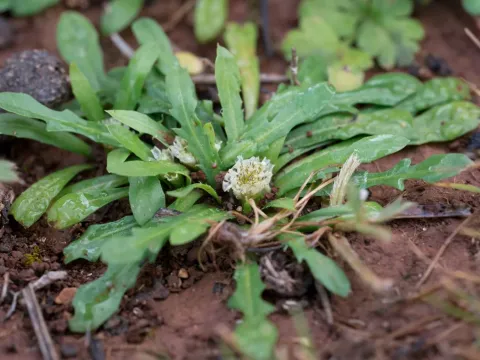
Crepis pusilla
Crepis pusilla
Crepis pusilla is a unique botanical species belonging to the Asteraceae family. While it is not traditionally classified as a major field crop, it serves as an interesting subject for botanical research and small-scale ornamental or ecological trials.
What the section contains
Crepis pusilla
The plant originates from Mediterranean regions, where it has evolved to survive in semi-arid and harsh environmental conditions. Its natural distribution is linked to regions with distinct dry and wet cycles.
Regarding soil requirements, this species thrives in well-drained, nutrient-poor substrates, such as sandy or gravelly soils. It does not tolerate waterlogging, which is a major factor in its survival strategy.
The climate requirements include high solar radiation and warmth. The plant is perfectly adapted to Mediterranean climate zones where it completes its life cycle before the peak heat of mid-summer.
Agrotechnical practices for this plant are minimal. Because it is highly adapted to poor soils, excessive fertilization is not required and can even be detrimental to its structural integrity and seed production.
Common plant diseases affecting this species include powdery mildew and other fungal infections, which typically occur if there is poor ventilation or excessive humidity around the rosette.
Insect pests such as aphids are frequent visitors to this plant, often colonizing the stems during the flowering phase. These pests consume plant sap, which can stunt overall growth.
Root rot pathogens represent a serious threat, especially in soils that lack proper drainage. This is a critical factor for any attempt at deliberate cultivation of this specific species.
Management of these threats is best achieved through cultural practices rather than heavy chemical usage. Maintaining adequate spacing and ensuring dry conditions around the foliage are vital.
Regular inspections are necessary for identifying symptoms of chlorosis, which may indicate nutrient imbalances or the presence of pests feeding on the underground parts of the plant.