
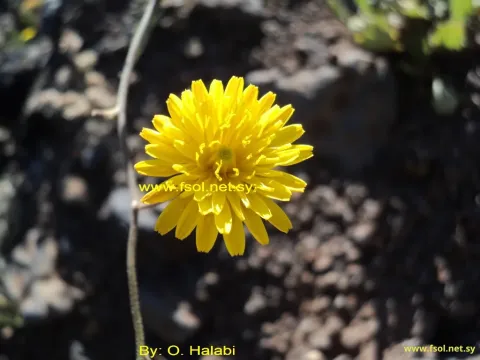
Crepis pterothecoides
Crepis pterothecoides
Crepis pterothecoides is a herbaceous plant belonging to the Asteraceae family. It is characterized by its distinct rosette of basal leaves and yellow flower heads, typical of the genus, which play a significant role in its reproductive cycle.
What the section contains
Crepis pterothecoides
The species thrives in well-drained, fertile soils with a neutral pH. It is highly adaptable to various environmental conditions, preferring sites with full sun exposure to ensure robust growth and consistent development of the flower stems.
Regarding climate, this plant prefers temperate regions where it can utilize natural moisture. Its deep taproot system provides significant drought tolerance, allowing the plant to survive periods of water scarcity that might affect more sensitive vegetation.
In cultivation, soil preparation is essential, including tilling to ensure proper aeration. Organic amendments are beneficial for improving soil structure, which in turn supports better root penetration and nutrient uptake throughout the growing season.
The plant exhibits high ecological plasticity, meaning it can colonize various types of substrates, but agricultural productivity is maximized when competition from other weeds is kept at a minimum during the seedling emergence stage.
Powdery mildew is a prevalent fungal disease affecting Crepis species, appearing as a white, dusty layer on the foliage. It spreads rapidly in warm, humid conditions, requiring early intervention with appropriate systemic fungicides.
Rust infections, indicated by orange-brown pustules on leaves, can lead to premature senescence of the plant. Management strategies include crop rotation and the destruction of infected plant debris after the harvest season.
Aphids and spider mites are the most common pests that target the succulent tissues of Crepis pterothecoides. These insects not only damage the plant directly but also serve as vectors for various plant viruses.
Root rots are frequently associated with waterlogged soil or poor drainage conditions. Preventing these issues requires careful field selection and the maintenance of optimal irrigation schedules to avoid stagnant moisture around the roots.
Integrated pest management (IPM) is highly recommended, utilizing biological control agents and regular scouting of the field to prevent pest populations from reaching economic threshold levels that would compromise crop quality.