
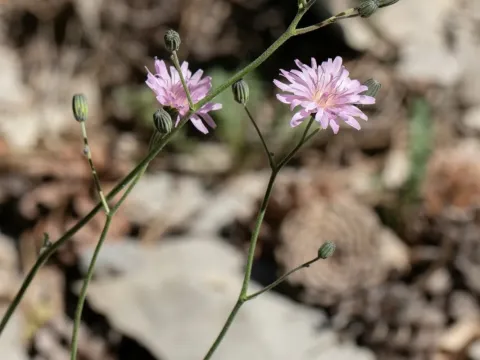
Crepis purpurea
Crepis purpurea
Sowing Crepis purpurea is typically carried out in early spring once soil temperatures reach 8–10 degrees Celsius. Ensuring adequate moisture in the upper soil profile is essential for achieving uniform and vigorous germination.
What the section contains
Crepis purpurea
The seeding rate varies depending on the intended use, generally ranging from 6 to 10 kilograms per hectare. Seeds should be sown at a shallow depth of 1–2 cm, as they require light exposure for successful emergence.
For large-scale cultivation, drilling in rows with 15–20 cm spacing is the preferred method. This spacing allows for proper aeration and provides each plant with sufficient resources for development during the initial growth stages.
Late summer sowing is also an option in regions with reliable autumn rainfall, providing the plants with enough time to establish a robust root system before the onset of winter dormancy.
The establishment phase is relatively slow, making early weed management a critical component of successful crop establishment. Keeping the field clear of invasive plants during the first few weeks is vital.
Crepis purpurea belongs to the Asteraceae family and is recognized for its versatility and adaptability to various soil types. It thrives best in well-lit areas with full exposure to sunlight.
The crop performs optimally on loamy or sandy-loam soils that maintain a neutral pH level. Poorly drained soils prone to waterlogging must be avoided, as the plant is sensitive to excessive moisture near the root zone.
The plant possesses a well-developed root system that enables it to withstand short periods of drought. However, consistent soil moisture during the active vegetative growth phase is required to maximize biomass yield.
In temperate climates, the species demonstrates excellent winter hardiness. It can survive significant temperature fluctuations, including late spring frosts, making it a reliable perennial for various geographic regions.
Proper agronomic management involves regular inter-row cultivation to improve soil oxygenation and suppress competing vegetation. Balanced fertilization, particularly with phosphorus and potassium, helps improve plant vigor and nutritional value.
The biomass yield of Crepis purpurea is heavily influenced by soil fertility and the frequency of agronomic intervention. With proper management, the crop can support multiple harvests within a single season.
Nutrient concentration in the foliage peaks during the budding stage to early bloom. Harvesting during this specific window ensures the best nutritional quality for use as fodder or hay.
The crop contains a high proportion of dry matter, making it a highly desirable candidate for haylage or silage production. Its nutritional profile makes it a valuable addition to livestock diets.
In addition to green forage, the crop serves as a reliable source of high-quality seeds. Establishing dedicated seed plots can provide significant economic benefits for agricultural operations.
To maintain long-term productivity, it is essential to follow a strict cutting schedule that prevents plant depletion. Providing light fertilization after each harvest cycle encourages rapid regrowth.
Fungal diseases, such as powdery mildew, represent a significant threat to Crepis purpurea, particularly in conditions of high humidity or poor field ventilation. Managing plant density is a key preventative measure.
Pests such as aphids and specific types of weevils may cause localized damage to foliage and developing stems. Regular field scouting is necessary to identify potential infestations before they escalate.
Root rot is frequently observed in fields with inadequate drainage. Selecting well-drained sites and employing proper soil preparation techniques are fundamental for mitigating these disease risks.
Competition from aggressive weeds is a primary concern during the establishment year. Mechanical weeding and integrated weed management strategies are essential to ensure the crop gains a competitive advantage.
Implementing a diverse crop rotation cycle helps break the disease cycle and reduces the pressure from soil-borne pathogens. An integrated approach minimizes the need for excessive chemical intervention.