
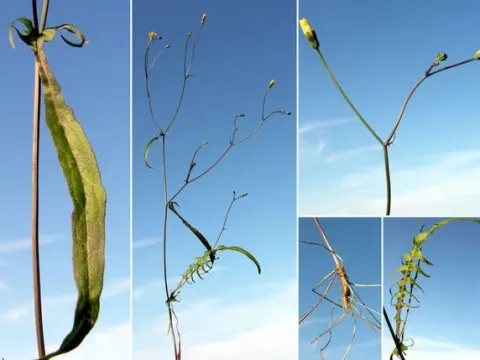
Crepis leontodontoides
Crepis leontodontoides
Crepis leontodontoides is a perennial herbaceous plant belonging to the Asteraceae family. It is recognized for its ability to thrive in various temperate environments, contributing to the biodiversity of natural pastures and grassland ecosystems.
What the section contains
Crepis leontodontoides
The plant exhibits high adaptability to varied climatic conditions but prefers cooler, temperate regions with moderate annual precipitation. It flourishes in areas where the soil moisture remains consistent throughout the spring growth phase.
Regarding soil preferences, it favors well-drained, nutrient-rich loamy soils. It avoids highly acidic environments, performing optimally in neutral or slightly alkaline conditions that support the development of its primary root system.
Botanically, it is characterized by a dense rosette of leaves and a slender, upright flowering stem. The flower heads are composed of bright yellow ray florets, which are highly attractive to local pollinators and contribute to the plant's reproductive success.
In agricultural practice, this species is valued as a component of wild forage. Its nutritional profile makes it a viable plant for grazing livestock when it is part of a diverse meadow mix, providing essential minerals and vitamins.
Common diseases affecting this species include powdery mildew, which typically emerges during periods of high humidity and poor air circulation. Proper spacing of plants is essential to reduce the spread of fungal spores.
Pests such as aphids and leaf-eating beetles may pose a threat to the vegetative parts of the plant. Integrated pest management strategies are recommended to keep populations below the economic injury level.
Root rot is a recurring concern in fields with insufficient drainage or compacted soil. Amending soil structure with organic matter helps mitigate these conditions and improves overall plant vigor.
Rust fungi may affect the foliage, resulting in reduced photosynthetic efficiency and diminished forage quality. Monitoring fields for early signs of infection allows for more effective management of the disease.
Weed competition is particularly intense during the establishment phase. Maintaining a healthy sward is the best defense against invasive species that may attempt to colonize the area.