
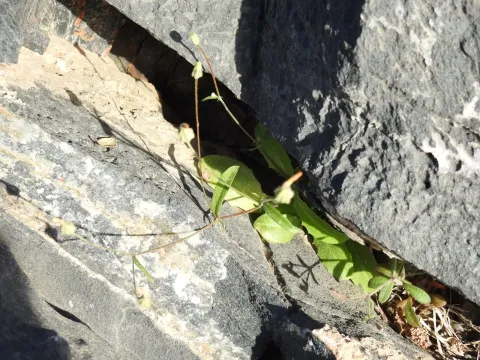
Crepis neglecta
Crepis neglecta
Crepis neglecta is an annual herbaceous plant belonging to the Asteraceae family. In agricultural science, it is primarily categorized as a ruderal species that frequently appears in managed landscapes, roadsides, and agricultural field margins.
What the section contains
Crepis neglecta
Botanically, the species is distinguished by its basal rosette of lyrate-pinnatifid leaves and its slender, branched stems. The yellow flower heads are typical of the genus Crepis, designed for efficient pollination by various insect species during the active growth season.
The plant originates from the Mediterranean and Southern European regions. It exhibits high adaptability to various climate zones, favoring sunny and open habitats where it does not face significant competition from denser vegetation.
Regarding soil requirements, Crepis neglecta is highly versatile. While it performs best in well-drained, nutrient-rich soils, it is frequently found thriving in sandy or gravelly substrates that would be too harsh for more sensitive commercial crops.
From an agro-technical perspective, managing this plant involves timely cultivation and crop rotation techniques. Because it is a prolific seed producer, preventing seed set is critical for maintaining clean crop fields and reducing unwanted plant pressure in subsequent seasons.
The species is susceptible to various fungal pathogens, most notably powdery mildew, which can colonize the foliage during periods of stagnant air and high ambient humidity. These infections can reduce the plant's overall vigor and seed production capabilities.
Common insect pests include aphids, which colonize the stems and floral buds, leading to stunted growth. Additionally, certain larvae species may utilize the foliage as a host for feeding, which can influence the population dynamics of the plant within its local ecosystem.