
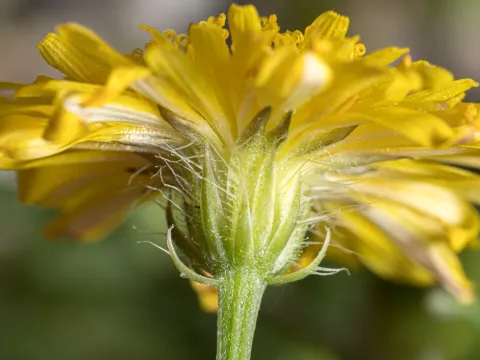
Crepis commutata
Crepis commutata
Crepis commutata, known as a species of hawk's beard, belongs to the Asteraceae family. It is a herbaceous plant that functions as an important component in diverse pasture mixtures.
What the section contains
Crepis commutata
The sowing process is ideally scheduled for early spring when soil temperatures reach stable levels. This timing allows the plant to establish its root system before the onset of summer heat.
Given the small size of the seeds, a shallow planting depth of approximately 1-2 centimeters is essential. Proper seed-to-soil contact is achieved through light rolling immediately after the sowing process.
Seed germination relies on consistent moisture levels during the first weeks of growth. Supplemental irrigation may be necessary in drier regions to ensure a healthy establishment of the crop.
Incorporating this species into existing meadows can be done via overseeding techniques, provided there is enough space for new seedlings to emerge without intense competition from dominant grasses.
Crepis commutata thrives in sunny locations with good natural light exposure. Excessive shading from taller forage species can significantly reduce the vitality and productivity of this hawk's beard.
The plant performs well on well-drained loamy or sandy soils. Proper soil aeration is crucial for root health, as this species does not tolerate waterlogged conditions which may trigger root decay.
While showing moderate tolerance to short-term dry spells, the plant produces higher yields when moisture levels remain consistent. Deep root systems allow access to moisture in deeper soil horizons.
Soil pH should ideally be neutral or slightly acidic for optimal nutrient uptake. On soils with low fertility, balanced NPK fertilization can enhance both vegetative growth and nutritional content.
Temperature requirements are generally moderate, with the plant showing adaptation to temperate climates where it can utilize early spring growth cycles effectively before the peak heat of summer.
Productivity of Crepis commutata is highly dependent on the composition of the grassland. In well-managed systems, it contributes significantly to the total biomass production of the pasture.
The nutritional value is at its peak during the early flowering phase. Farmers are advised to harvest the biomass at this stage to maximize protein and mineral content for livestock feed.
As a forage crop, it is generally palatable to various types of livestock, including cattle and sheep, providing an excellent source of necessary dietary fiber and essential micronutrients.
Effective pasture management includes rotational grazing, which prevents overgrazing and allows the plants enough time to recover and replenish their energy stores for the next cycle.
Dry matter yields can be maximized by ensuring proper maintenance of the sward density and timely harvesting to avoid lignification of the stems, which decreases digestibility.
Aphids are the most common pests affecting this plant, especially during warm, dry weather conditions. They feed on the sap and can lead to stunted growth if left unmanaged in large populations.
Powdery mildew is a common fungal threat, particularly in humid or overcrowded fields. Proper spacing and avoiding excessive moisture in the canopy can help mitigate the risk of infection.
Rust diseases may appear on the foliage as the season progresses. These infections reduce the plant's photosynthetic capacity and can decrease the overall quality of the harvested hay.
Preventive measures include maintaining appropriate stocking rates in pastures and cleaning equipment to prevent the spread of fungal spores between different sections of the farm.
Integrated pest management strategies focusing on early detection and maintaining plant vigor are generally more effective than the use of chemical pesticides in forage production systems.